Sri Munishwaran Gayatri Mantras — Powerful Chants for Protection and Courage
Sri Munishwaran Gayatri Mantras are powerful devotional chants recited by devotees seeking protection, courage, and spiritual strength. These mantras are traditionally chanted to remove fear, ward off negative influences, and receive the blessings of Lord Munishwaran, the guardian deity worshipped in Tamil folk traditions.
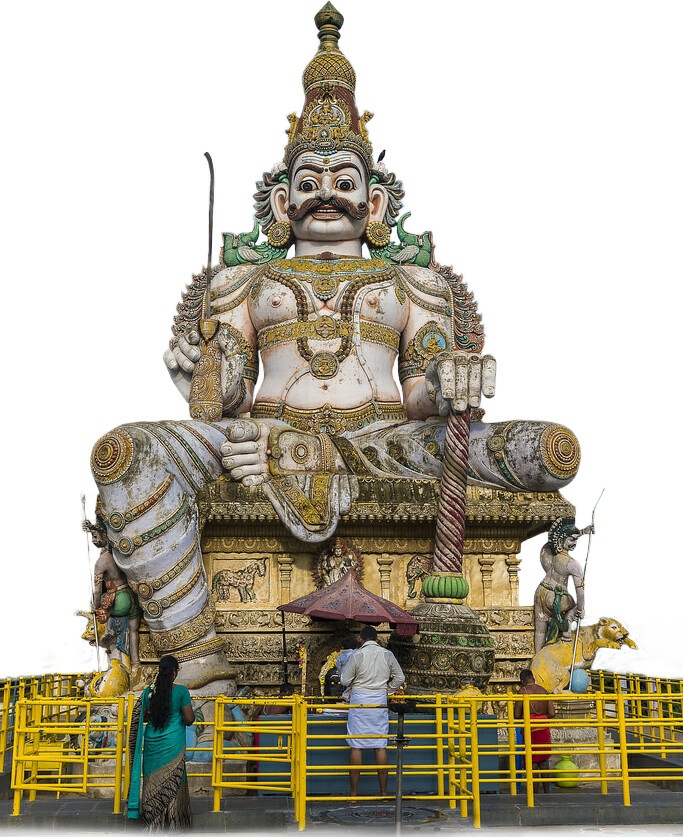
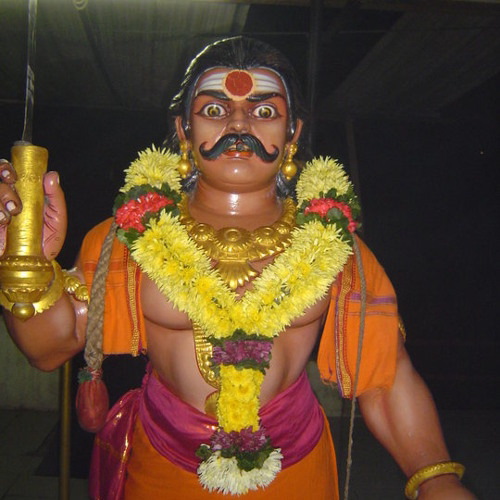
Munishwaran is a powerful village deity and is a Kula Deivam (family archetype) for many Hindus. He is mainly worshipped for protection from dangers, evil eye, and all kinds of negativities. He is considered a form of Lord Shiva and can safeguard us from any sort of danger.
Munishwaran is believed to be the Easwara (Shiva) who granted wisdom for all the Sages (Muni in Tamil). He is both a fierce and compassionate archetype who protects his devotees at all times.

Store passwords, IDs, documents and private information securely on your phone. No cloud. No tracking.
Who Is Lord Munishwaran?
Lord Munishwaran (also spelled Muneeswaran or Muniswaran) is a powerful guardian deity worshipped primarily in Tamil Nadu, Singapore, and Malaysia. He is considered a form of Lord Shiva and is often worshipped as a Kula Deivam (family deity) and Kaaval Deivam (guardian deity).
The name Munishwaran combines two words: Muni (sage or saint in Tamil) and Ishwaran (Lord or Shiva). He is believed to be the Easwara who granted wisdom to all the sages — a fierce yet compassionate protector who safeguards his devotees from dangers, evil eye, and negative forces.
🔱 Sri Munishwaran Gayatri Mantras
Below are the powerful Sri Munishwaran Gayatri Mantras. Chant each mantra slowly and clearly, focusing on the sound and meaning. These mantras are traditionally recited for protection, courage, and spiritual strength.
Maha Veera Gayatri
Mantra
Om tatpurushaya vitmahe,
Maha veeraya thimahi,
Thanno muniswara prachodayat
Katka Hasta Gayatri
Mantra
Om kanaga vasaya vithmahe,
Katka hastaya thimahi,
Thanno muniswara prachodayat
Trisula Hasta Gayatri
Mantra
Om Kanaga Vasaya Vidmahe,
Trisula (sula) hastaya Dheemahi,
Thanno Muniswara Prachodayat
Maha Deva Parivara Gayatri
Mantra
Om Tatpurushaya Vidmahe,
Maha Devaya Parivara Dheemahi,
Thannop Muniswara Prachodayat
Vaal Muniswara Gayatri
Mantra
Om katka hastaya thimahi,
Sukraprathaya thimahi,
Thanno val muniswaraya prachodayat
Hamsa Gayatri
Mantra
Om sri thavamuniswaraya hamsaya vidmahe,
Parama hamsaya thimahi,
Thanno hamsap prachodayat
Jada Muniswara Gayatri
Mantra
Om thanda hasthaya theemahi,
Jada mukhundaaya theemahi,
Thanno sri maha jada muniswaraya prachodayat
Store passwords, IDs, documents and private information securely on your phone. No cloud. No tracking.
Additional Nama Mantras
These powerful nama mantras (name chants) invoke specific qualities and protective energies of Lord Munishwaran.
Raksha Mantra
Mantra
Om haam vam vanesvaraya,
jeevarachagaya,
loga sanjsaraanaya,
shaowbakya prathaayagaaya
vaal muniswaraya namaha
Shakti Japa
Mantra
Om purupoowaya namaha,
saum klim iyum klim iyum bagawathy namaha,
om sakthi muniswaraya namaha
Mangala Japa
Mantra
Om namah shivayah
sri maha jada muniswaraya namaha
When to Chant Sri Munishwaran Gayatri Mantras
Devotees usually chant these Gayatri mantras during early morning hours or in the evening after lighting a lamp. Regular chanting with faith is believed to bring mental peace, protection, and spiritual confidence.
- Early morning during Brahma Muhurta (4:00–6:00 AM)
- During evening prayers after lighting a lamp
- On Tuesdays and Fridays — auspicious days for Munishwaran
- During fasting or spiritual observances
- Before starting any important journey or undertaking
- When facing fear, obstacles, or negative situations
- During Karthigai and Aadi months — sacred to guardian deities
Benefits of Chanting Sri Munishwaran Gayatri Mantras
According to devotional tradition, regular chanting of these Gayatri mantras brings the following blessings:
- Provides protection from dangers and evil eye
- Removes fear, anxiety, and negative influences
- Brings courage, confidence, and inner strength
- Strengthens family harmony and Kula Deivam connection
- Supports good health and well-being
- Removes obstacles in life and work
- Brings success and victory in challenges
- Deepens devotion to Lord Munishwaran and Lord Shiva
Frequently Asked Questions
Who is Lord Munishwaran?
Lord Munishwaran is a powerful guardian deity worshipped primarily in Tamil Nadu, Singapore, and Malaysia. He is considered a form of Lord Shiva and is often worshipped as a Kula Deivam (family deity) and Kaaval Deivam (guardian deity).
What are Sri Munishwaran Gayatri Mantras?
Sri Munishwaran Gayatri Mantras are powerful devotional chants recited by devotees seeking protection, courage, and spiritual strength. These mantras are traditionally chanted to remove fear, ward off negative influences, and receive the blessings of Lord Munishwaran.
Why do devotees chant Munishwaran Gayatri Mantras?
Devotees chant these mantras for protection from dangers, evil eye, and all kinds of negativities. Munishwaran is considered a fierce yet compassionate protector who safeguards his devotees from harm. Regular chanting is believed to bring mental peace, courage, and spiritual confidence.
When is the best time to chant Munishwaran Gayatri Mantras?
The ideal time is during Brahma Muhurta (early morning, around 4:00–6:00 AM) or in the evening after lighting a lamp. Tuesdays and Fridays are considered especially auspicious for Munishwaran worship.
What are the benefits of chanting Munishwaran Gayatri Mantras daily?
Daily chanting is believed to bring protection from negative forces, removal of fear, courage and inner strength, family harmony, good health, and success. It also strengthens the devotee's connection with the Kula Deivam and Lord Shiva.
Can anyone chant Sri Munishwaran Gayatri Mantras?
Yes. Unlike some Vedic mantras that require formal initiation, Munishwaran Gayatri Mantras can be chanted by anyone — devotees, families, and spiritual seekers of any background who approach the guardian deity with sincerity and faith.
Which mala is best for Munishwaran japa?
A rudraksha mala is traditionally preferred for Munishwaran japa, as it represents Lord Shiva. A crystal (sphatika) mala or a simple tulsi mala also works well.
What is the meaning of "Munishwaran"?
The name Munishwaran combines two words: Muni (sage or saint in Tamil) and Ishwaran (Lord or Shiva). He is believed to be the Easwara who granted wisdom to all the sages — a fierce yet compassionate protector.
Store passwords, IDs, documents and private information securely on your phone. No cloud. No tracking.
Conclusion — Seek the Protection of Lord Munishwaran
Sri Munishwaran Gayatri Mantras are powerful devotional chants that invoke the protective grace of the guardian deity. Whether you chant them for protection, courage, or spiritual strength, the key is regular, heartfelt practice.
Munishwaran is both a fierce protector and a compassionate guardian. His mantras are a direct line to his divine presence — a presence that shields devotees from danger, removes fear, and grants the courage to face life's challenges.
May Lord Munishwaran bless you with protection, courage, and unwavering devotion. Om Sri Muniswaraya Namaha.
Related Posts
❤️ Support Our Devotional Journey ❤️
This devotional space is created to share sacred mantras, divine stories, and spiritual knowledge with pure devotion and sincerity. All content is offered freely to help devotees find peace, faith, and inner strength through spirituality.
If you feel spiritually connected or benefited by our devotional posts, you may choose to support this journey. Your support encourages us to continue sharing meaningful devotional content for everyone.
Support this Devotional WebsiteDisclaimer
The content published in this post, including mantras, meanings, benefits, and spiritual explanations, is shared solely for devotional, educational, and informational purposes. The information is based on traditional beliefs, commonly available spiritual references, and AI-assisted content generation.
While every effort is made to present the content respectfully and accurately, the author does not claim absolute correctness or completeness of the information. This content does not guarantee any specific results and must not be considered professional advice, including medical, psychological, legal, financial, or astrological advice.
The author and publisher shall not be held responsible or liable for any direct, indirect, incidental, or consequential outcomes arising from the reading, interpretation, or practice of the content shared here.
Spiritual outcomes and personal experiences may vary based on individual faith, intention, discipline, and belief. Readers are advised to apply their own judgment and discretion while following any devotional or spiritual practice.
By accessing or using this content, you acknowledge and agree that you are solely responsible for your interpretations, actions, and decisions.




Comments
Post a Comment