Maha Muneeswaran Mantra — Powerful Devotional Chants for Protection & Courage
Maha Muneeswaran Mantra is a powerful devotional chant recited to seek protection, courage, and divine blessings. Chant with faith and devotion for peace, strength, and the grace of the guardian deity.
Muneeswaran is an aspect of Lord Shiva, worshipped as a Kaaval Deivam (guardian deity) in South Indian folk tradition. Below you'll find the complete mantra, followed by 16 devotional namavali chants.

Maha Muneeswaran Mantra
The complete mantra of Maha Muneeswaran, chanted in devotion for protection and courage:
Vanthe Rajaswaroopam
Gamtranayanam Balathakodiprabam
Haste Kusta Kadaranam Javamani Hatye
Prathejojvalam Veenam Thandatharam
Devam Jada Magudatharam
Peethambaraalankrtham
Bakthabeesha Varappradam
Bayaharam Abayatham
Maha Muneeswaram
Devotional Chants — Namavali Mantras
These are the sacred namavali mantras (name chants) of Maha Muneeswaran, each praising a specific quality of the guardian deity. Chant with devotion for protection, courage, and divine grace.
Om Balathaprabaya Namaha
I bow to the one radiant with strength and power.
Om Rajaswarupine Namaha
I bow to the one whose form is radiant and kingly.
Om Trinayenaye Namaha
I bow to the three-eyed Lord, the seer of all.
Om Mustakatarine Namaha
I bow to the one who wears a crown of matted hair.
Om Javamani Hastaya Namaha
I bow to the one who holds the swift sword.
Om Ukratejaste Namaha
I bow to the one with fierce radiance.
Om Veera Thandatharaya Namaha
I bow to the heroic one who holds the staff.
Om Jada Magudaya Namaha
I bow to the one with matted hair and a crown.
Om Vetha Vastraya Namaha
I bow to the one adorned with sacred garments.
Om Varaprathaya Namaha
I bow to the giver of boons.
Om Hayanivaragaya Namaha
I bow to the one who rides the swift horse.
Om Habayathaya Namaha
I bow to the one who removes fear.
Om Maha Shaivaya Namaha
I bow to the great devotee and form of Shiva.
Om Sarvajana Ratchagaya Namaha
I bow to the protector of all people.
Om Tavaswineh Namaha
I bow to the great ascetic and sage.
Om Maha Muneeswaraya Namaha
I bow to the great Lord Muneeswaran.
Store passwords, IDs, documents and private information securely on your phone. No cloud. No tracking.
Who Is Muneeswaran?
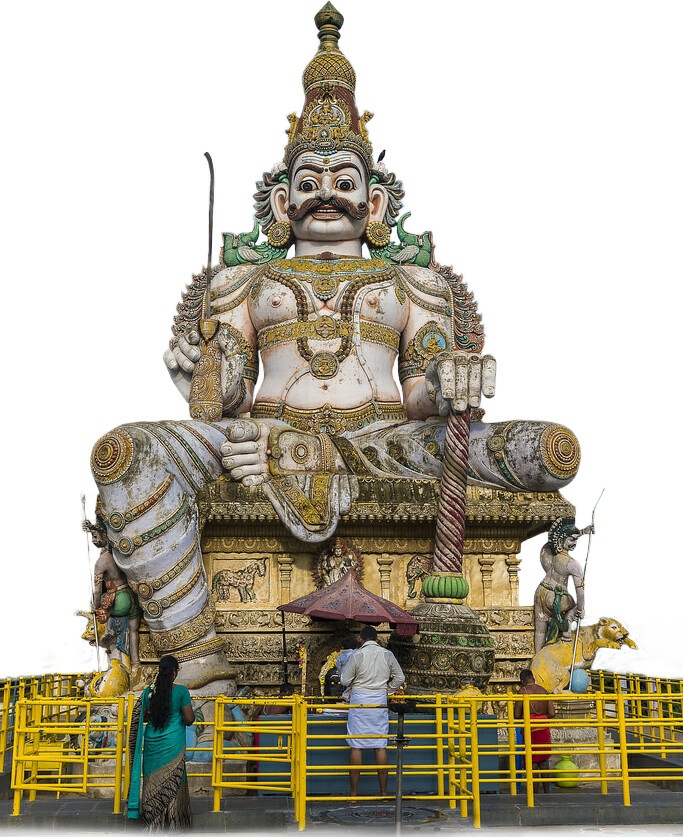
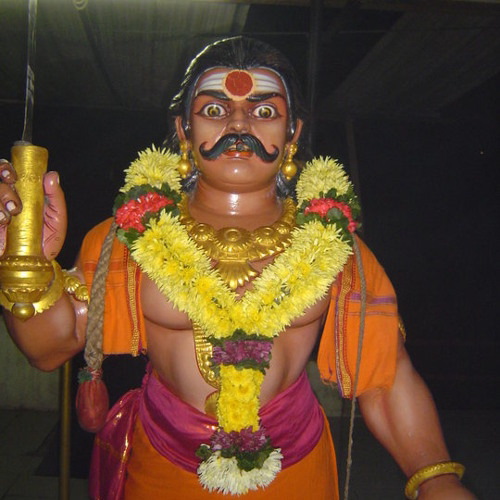
Muneeswaran (also spelled Muneeswarar or Munishwaran) is a popular guardian deity in South Indian folk tradition, worshipped by Tamil communities in India, Malaysia, Singapore, and beyond. He is regarded as an aspect of Lord Shiva and is considered a fierce protector who watches over villages and households.
Muneeswaran is typically depicted as a robust man with a large moustache, smeared with holy ash (vibhuti), holding weapons such as a trident (trishula), machete (aruval), and spear. His forehead and body bear the sacred ash, symbolising his close association with Lord Shiva.
Devotees approach Muneeswaran for protection, courage, mental strength, family harmony, and removal of negative influences. His worship is both simple and deeply heartfelt, often involving lamps, flowers, and sincere prayer.
Benefits of Chanting Maha Muneeswaran Mantra
Regular chanting of the Maha Muneeswaran Mantra is believed to bring the following benefits according to devotional tradition:
- Provides protection from negative forces and evil eye
- Removes fear, anxiety, and mental stress
- Brings courage, confidence, and inner strength
- Strengthens family harmony and unity
- Supports good health and well-being
- Removes obstacles in life and work
- Brings success and victory in challenges
- Deepens devotion and spiritual connection
- Invokes the grace of Lord Shiva through Muneeswaran
When to Chant Maha Muneeswaran Mantra
Traditionally, the Maha Muneeswaran Mantra can be chanted at any time, but certain times are considered especially powerful:
- Tuesdays and Saturdays — most auspicious days for Muneeswaran
- Early morning during Brahma Muhurta (4:00–6:00 AM)
- During sunrise or sunset — times of transition and power
- Before starting new ventures or journeys
- When facing fear, obstacles, or negative situations
- During family gatherings or festivals honouring the guardian deity
- On full moon and new moon days
How to Chant Maha Muneeswaran Mantra
To receive the full benefit of the Maha Muneeswaran Mantra, follow this simple procedure:
Frequently Asked Questions
Who is Muneeswaran?
Muneeswaran is a revered guardian deity in South Indian folk tradition, especially among Tamil communities. He is considered an aspect of Lord Shiva and is worshipped for protection, courage, and family harmony. His name combines "Muni" (sage) and "Ishvara" (God).
What is the most powerful Muneeswaran mantra?
The complete Maha Muneeswaran Mantra beginning with Vanthe Rajaswaroopam is considered the most powerful devotional chant. The namavali mantras like Om Maha Muneeswaraya Namaha are also highly effective for daily chanting.
Can anyone chant Muneeswaran mantras?
Yes. Unlike some Vedic mantras that require formal initiation, Muneeswaran mantras can be chanted by anyone — devotees, families, and spiritual seekers of any background who approach the guardian deity with sincerity and faith.
Which day is best for chanting Muneeswaran mantras?
Tuesdays and Saturdays are considered especially auspicious for Muneeswaran worship. Early morning and sunset are ideal times. Full moon and new moon days also hold special significance.
What are the benefits of chanting Muneeswaran mantras daily?
Daily chanting of Muneeswaran mantras is believed to provide protection from negative forces, remove fear and anxiety, bring courage and inner strength, strengthen family harmony, and invoke the grace of Lord Shiva through the guardian deity.
Which mala is best for Muneeswaran japa?
A rudraksha mala is traditionally preferred for Muneeswaran japa, as it represents Lord Shiva. A crystal (sphatika) mala or a simple tulsi mala also works well.
Can I chant Muneeswaran mantras silently?
Yes. Manasik japa (mental chanting) is considered a powerful form of mantra repetition. It is especially useful during daily activities — you can chant mentally while walking, working, or resting.
What does Muneeswaran represent?
Muneeswaran represents protection, courage, discipline, and the guardian aspect of Lord Shiva. He is a fierce yet compassionate protector who removes fear and negative influences from the lives of his devotees.
Conclusion — Seek the Protection of Maha Muneeswaran
Maha Muneeswaran is a powerful guardian deity who protects his devotees from fear, negativity, and obstacles. The Maha Muneeswaran Mantra is a sacred chant that invokes his protective presence and divine blessings.
Whether you chant the complete Vanthe Rajaswaroopam mantra or the simple Om Maha Muneeswaraya Namaha, the key is regular, heartfelt practice. Chant with faith, devotion, and consistency — the guardian deity's grace unfolds naturally over time.
May Maha Muneeswaran bless you with protection, courage, strength, and peace. Om Maha Muneeswaraya Namaha.
Related Devotional Posts
❤️ Support Our Devotional Journey ❤️
This devotional space is created to share sacred mantras, divine stories, and spiritual knowledge with pure devotion and sincerity. All content is offered freely to help devotees find peace, faith, and inner strength through spirituality.
If you feel spiritually connected or benefited by our devotional posts, you may choose to support this journey. Your support encourages us to continue sharing meaningful devotional content for everyone.
Support this Devotional WebsiteDisclaimer
The content published in this post, including mantras, meanings, benefits, and spiritual explanations, is shared solely for devotional, educational, and informational purposes. The information is based on traditional beliefs, commonly available spiritual references, and AI-assisted content generation.
While every effort is made to present the content respectfully and accurately, the author does not claim absolute correctness or completeness of the information. This content does not guarantee any specific results and must not be considered professional advice, including medical, psychological, legal, financial, or astrological advice.
The author and publisher shall not be held responsible or liable for any direct, indirect, incidental, or consequential outcomes arising from the reading, interpretation, or practice of the content shared here.
Spiritual outcomes and personal experiences may vary based on individual faith, intention, discipline, and belief. Readers are advised to apply their own judgment and discretion while following any devotional or spiritual practice.
By accessing or using this content, you acknowledge and agree that you are solely responsible for your interpretations, actions, and decisions.



Comments
Post a Comment