Munishwaran is a powerful and deeply respected deity worshipped primarily in South India, especially in Tamil Nadu.
Known as a guardian god and protector of justice, Munishwaran holds a unique place in Hindu spiritual traditions. Unlike mainstream temple deities worshipped inside grand temples, Munishwaran is often found at village borders, crossroads, and secluded shrines, symbolizing vigilance, protection, and moral authority.

For centuries, devotees have worshipped Munishwaran for protection from injustice, removal of fear, resolution of legal disputes, and safeguarding families and communities.
His worship blends devotion, discipline, and faith, making him both revered and feared. This post explores the complete history of Munishwaran, including his origin, mythology, symbolism, rituals, and spiritual significance.
Store passwords, IDs, documents and private information securely on your phone. No cloud. No tracking.
Meaning of the Name “Munishwaran”
The name Munishwaran is derived from two Sanskrit–Tamil roots:
-
Muni – Sage, saint, or ascetic
-
Iswaran – Supreme Lord or God (often referring to Shiva)
Together, Munishwaran means “The Lord of Sages” or
“The Ascetic Form of the Supreme God.”
This name itself reveals his connection to discipline, spiritual authority, and divine justice.
Munishwaran is widely believed to be a guardian manifestation of Shiva, entrusted with maintaining order and protecting dharma (righteousness).
Mythological Origin of Munishwaran
According to regional Hindu beliefs and folk traditions, Munishwaran emerged during times when divine intervention was required to restore balance and justice. While his stories are not always found in classical scriptures, they are deeply rooted in oral traditions passed down through generations.
One popular belief states that Munishwaran was created by Shiva to:
-
Guard sacred lands
-
Protect villages
-
Punish wrongdoing
-
Uphold truth and moral law
Unlike benevolent household deities, Munishwaran’s role was strict and uncompromising. He was entrusted with authority, not comfort. This is why devotees approach him with discipline and sincerity rather than casual worship.
Munishwaran as a Guardian Deity
Munishwaran is primarily known as a Kaaval Deivam (guardian deity). His shrines are commonly located:
-
At village borders
-
Near burial grounds
-
Beside large trees
-
At crossroads and highways
These locations symbolize protection against negative forces and unseen dangers. Villagers believe Munishwaran watches over boundaries and prevents evil from entering their land.
Because of this role, Munishwaran is often worshipped before:
-
Starting new ventures
-
Resolving disputes
-
Seeking justice
-
Traveling long distances
Connection Between Munishwaran and Shiva
Munishwaran is widely regarded as a form or servant aspect of Shiva. This connection explains:
-
His fierce appearance
-
His association with justice
-
His ascetic nature
Just as Shiva is both compassionate and destructive, Munishwaran represents Shiva’s disciplining and protective energy. While Shiva grants liberation and wisdom, Munishwaran ensures accountability and moral order on the earthly plane.
This is why devotees believe that false promises made to Munishwaran result in consequences, while sincere devotion brings protection and peace.
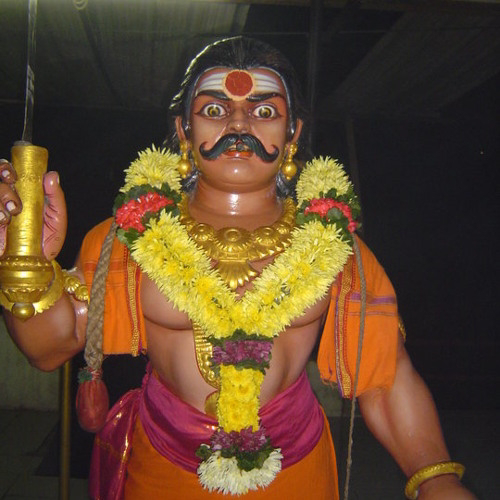
Iconography and Symbolism
Munishwaran is usually depicted with:
-
A fierce facial expression
-
Thick moustache
-
Weapons such as a trident or sword
-
Standing posture symbolizing alertness
Each element has symbolic meaning:
-
Fierce eyes – constant vigilance
-
Weapons – protection and justice
-
Standing posture – readiness to act
Unlike calm temple idols, Munishwaran’s form reminds devotees of discipline, responsibility, and truth.
Worship Traditions and Rituals
Munishwaran worship follows traditional village customs rather than elaborate temple rituals.
Common Offerings
-
Coconut
-
Lemons or limes
-
Flowers
-
Incense
-
Oil lamps
Important Days
-
Saturdays
-
Amavasai (New Moon day)
-
Pradosham
Devotees often light lamps and offer prayers silently, seeking protection or resolution to problems.
Beliefs Associated with Munishwaran
Munishwaran worship is strongly associated with truthfulness and integrity. Common beliefs include:
-
Broken vows invite consequences
-
Honest prayers bring justice
-
False accusations are neutralized
-
Protection from enemies and negative forces
This belief system reinforces moral behavior within communities.
Munishwaran in Village Life
In many villages, Munishwaran is considered the ultimate witness. People take oaths in his name during disputes, trusting that truth will prevail.
His presence ensures:
-
Social discipline
-
Community protection
-
Moral accountability
This role has made Munishwaran a respected authority beyond formal religious structures.
Spiritual Significance of Munishwaran
Spiritually, Munishwaran represents:
-
Fearless truth
-
Discipline
-
Karma and justice
-
Protection through righteousness
He teaches devotees that faith must be accompanied by honesty, humility, and responsibility.
Munishwaran does not reward shortcuts or deception. Instead, he blesses those who walk the path of truth.
Modern-Day Worship of Munishwaran
Even today, Munishwaran continues to be worshipped across Tamil Nadu and other regions with Tamil communities. Urban devotees visit village temples to seek protection and peace.
Modern worship emphasizes:
-
Faith over fear
-
Discipline over ritual complexity
-
Sincerity over show
Munishwaran remains a symbol of moral strength in an ever-changing world.
Munishwaran is not merely a village deity but a powerful symbol of justice, protection, and moral order. His history, rooted in tradition and faith, reflects the timeless human need for truth and protection.
Through disciplined worship and sincere devotion, devotees believe Munishwaran guides them toward righteousness and safeguards them from harm. His presence reminds us that divine protection favors honesty, humility, and faith.
Related Devotional Posts
You may also like our other devotional mantra collections for protection, courage, devotion, and spiritual strength.
100 Powerful Lord Narasimha Mantras
108 Powerful Lord Hanuman Mantras
Why Munishwaran Is Worshipped as a Village Guardian God
108 Munishwaran Mantras In English
108 Munishwaran Mantras In Tamil
DISCLAIMER
The content published in this post, including mantras, meanings, benefits, and spiritual explanations, is shared solely for devotional, educational, and informational purposes. The information is based on traditional beliefs, commonly available spiritual references, and AI-assisted content generation.
While every effort is made to present the content respectfully and accurately, the author does not claim absolute correctness, completeness, or guaranteed outcomes. This content must not be considered professional advice, including medical, psychological, legal, financial, astrological, or religious guidance.
The author and publisher shall not be held responsible or liable for any direct, indirect, incidental, or consequential outcomes arising from the reading, interpretation, or practice of the content shared on this website.
Spiritual results and personal experiences may vary depending on individual faith, belief, intention, discipline, and consistency of practice. Readers are advised to use their own judgment and discretion.




Comments
Post a Comment