21 Parivara Muni — The Guardian Attendants of Munishwaran
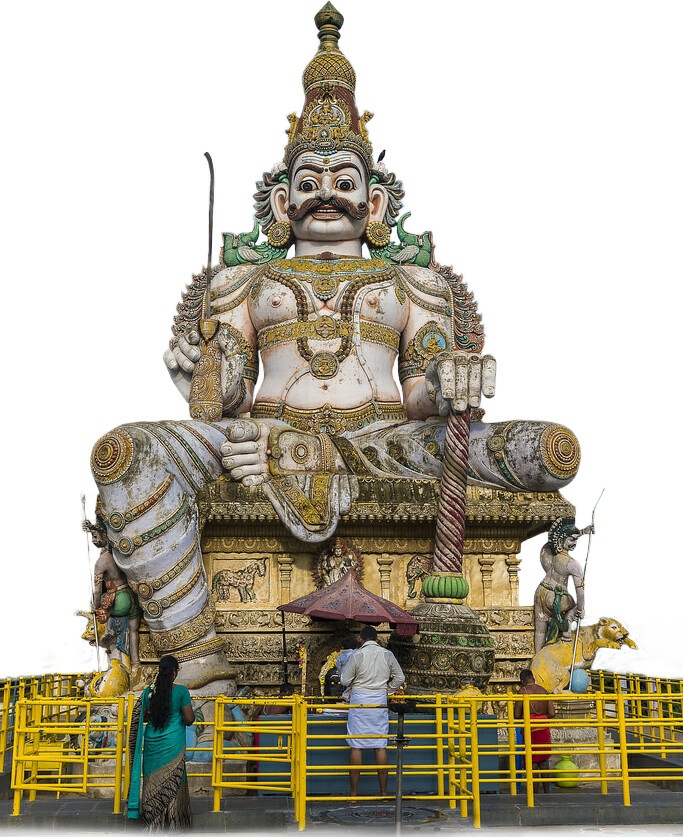
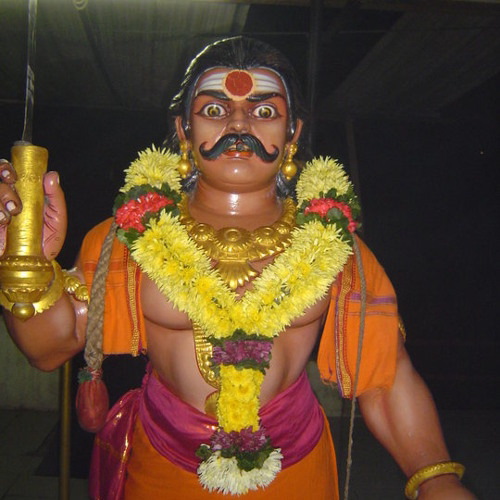
Parivara Munis are powerful guardian deities worshipped in South Indian folk traditions, especially in Tamil Nadu.
These Munis are considered divine attendants and manifestations connected to Munishwaran, who is believed to be a fierce form of Lord Shiva.
The term "21 Parivara Muni" refers to the collective group of Munis who protect villages, temples, boundaries, families, and devotees from negative forces.

What Are Parivara Munis?
Parivara Munis are the guardian attendants of Munishwaran, forming a protective circle around villages, temples, and family lands. Each Muni carries a specific divine role — from protection and justice to fertility, health, and spiritual discipline.
This post lists the names of the 21 Parivara Munis traditionally worshipped along with Munishwaran, as followed in folk temples and ancestral worship practices.
Store passwords, IDs, documents and private information securely on your phone. No cloud. No tracking.
🔱 The 21 Parivara Muni
Below are the names of the 21 Parivara Munis, each with their specific protective role and spiritual significance.
Muniyandi
Worshipped for village protection and boundary safety.
Pandi Muni
Believed to guard communities and protect devotees from harm.
Sem Muni
Associated with maintaining balance and discipline in village life.
Karu Muni
Prayed to for strength, courage, and removal of fear.
Kodu Muni
Worshipped for protection against injustice and negative intentions.
Thanga Muni
Associated with prosperity, stability, and material well-being.
Vetha Muni
Believed to guide devotees on the righteous and truthful path.
Muthu Muni
Worshipped for peace of mind and emotional clarity.
Lada Muni
Associated with guarding sacred places and ancestral lands.
Sattai Muni
Believed to protect devotees from unseen negative influences.
Santhana Muni
Prayed to for family growth and blessings of children.
Korai Muni
Worshipped for resolving conflicts and restoring harmony.
Kongu Muni
Associated with regional protection and agricultural prosperity.
Yoga Muni
Linked with spiritual discipline, meditation, and inner strength.
Palaya Muni
Worshipped as an ancient guardian preserving traditional values.
Kottai Muni
Believed to protect forts, homes, and strong structures.
Pathala Muni
Associated with guarding underground forces and hidden energies.
Agni Muni
Associated with fire energy and removal of negative forces.
Raja Muni
Worshipped for leadership, authority, and justice.
Sama Muni
Linked with balance, calmness, and peaceful resolutions.
Nondi Muni
Believed to protect devotees during difficult life phases.
Store passwords, IDs, documents and private information securely on your phone. No cloud. No tracking.
Roles & Protection of the Parivara Munis
The 21 Parivara Munis together form a complete protective system. Each Muni guards a specific dimension of life, ensuring that no aspect of village or family well-being is left unprotected.
Strength & Courage: Karu Muni, Agni Muni, Raja Muni
Prosperity & Growth: Thanga Muni, Santhana Muni, Kongu Muni
Peace & Harmony: Muthu Muni, Korai Muni, Sama Muni
Spiritual Discipline: Vetha Muni, Yoga Muni, Palaya Muni
Guardianship of Sacred Spaces: Lada Muni, Pathala Muni
Balance & Resilience: Sem Muni, Nondi Muni
Together, these 21 Munis are worshipped as a collective protective force in folk temples and ancestral worship traditions, ensuring the safety, harmony, and spiritual well-being of the community.
Frequently Asked Questions
Who are the Parivara Munis?
Parivara Munis are the guardian attendants of Munishwaran, worshipped in South Indian folk traditions. They form a protective circle around villages, temples, and family lands, each carrying a specific divine role.
What does "21 Parivara Muni" mean?
The term "21 Parivara Muni" refers to the collective group of 21 Munis who serve as guardians under Munishwaran. Together, they protect villages, temples, boundaries, families, and devotees from negative forces.
What is the role of each Parivara Muni?
Each Muni has a specific protective role: some guard village boundaries (Muniyandi, Kodu Muni), some grant strength and courage (Karu Muni, Agni Muni), some bring prosperity (Thanga Muni, Santhana Muni), and others support spiritual discipline (Yoga Muni, Vetha Muni).
How are the Parivara Munis worshipped?
The Parivara Munis are worshipped together with Munishwaran in folk temples and ancestral shrines. Worship typically includes lighting lamps, offering sacred ash (vibhuti), kungkumam, flowers, and food offerings (padayals) according to family and temple traditions.
Are the Parivara Munis connected to Lord Shiva?
Yes. Munishwaran is believed to be a fierce form of Lord Shiva, and the Parivara Munis are his divine attendants. They are classified as Siva Gana — servants of Lord Shiva and Goddess Sakthi.
Can anyone worship the Parivara Munis?
Yes. Worship of the Parivara Munis is open to all devotees who approach them with sincerity and faith. Families often worship them as Kula Deivam (family deity) and Kaaval Deivam (guardian deity).
Where are the Parivara Munis worshipped?
The Parivara Munis are worshipped primarily in Tamil Nadu and among Tamil communities worldwide — including Malaysia, Singapore, and the global Tamil diaspora. Shrines may be located in village temples, roadside spaces, or beneath sacred trees.
What are the benefits of worshipping the Parivara Munis?
Devotees believe that worshipping the Parivara Munis brings protection from negative forces, family harmony, prosperity, courage, and spiritual well-being. It also strengthens the Kula Deivam connection and ensures the community's safety.
Conclusion — The Complete Guardian Circle
The 21 Parivara Munis form a complete protective circle around Munishwaran, guarding every dimension of village and family life. From boundary safety to spiritual discipline, each Muni carries a unique role in the divine guardian system.
Whether worshipped at a village temple, a roadside shrine, or beneath a sacred tree, the Parivara Munis continue to be revered as a living presence in the devotional lives of Tamil communities around the world.
May the blessings of Munishwaran and the 21 Parivara Munis bring protection, courage, prosperity, and peace to all devotees.
Store passwords, IDs, documents and private information securely on your phone. No cloud. No tracking.
Related Posts
❤️ Support Our Devotional Journey ❤️
This devotional space is created to share sacred mantras, divine stories, and spiritual knowledge with pure devotion and sincerity. All content is offered freely to help devotees find peace, faith, and inner strength through spirituality.
If you feel spiritually connected or benefited by our devotional posts, you may choose to support this journey. Your support encourages us to continue sharing meaningful devotional content for everyone.
Support this Devotional WebsiteDisclaimer
The content published in this post, including mantras, meanings, benefits, and spiritual explanations, is shared solely for devotional, educational, and informational purposes. The information is based on traditional beliefs, commonly available spiritual references, and AI-assisted content generation.
While every effort is made to present the content respectfully and accurately, the author does not claim absolute correctness or completeness of the information. This content does not guarantee any specific results and must not be considered professional advice, including medical, psychological, legal, financial, or astrological advice.
The author and publisher shall not be held responsible or liable for any direct, indirect, incidental, or consequential outcomes arising from the reading, interpretation, or practice of the content shared here.
Spiritual outcomes and personal experiences may vary based on individual faith, intention, discipline, and belief. Readers are advised to apply their own judgment and discretion while following any devotional or spiritual practice.
By accessing or using this content, you acknowledge and agree that you are solely responsible for your interpretations, actions, and decisions.




Comments
Post a Comment