Sambrani Vaasagare — Karuppusamy Devotional Song Lyrics & Meaning
Sambrani Vaasagare is a popular Tamil devotional song dedicated to Karuppusamy Swamy — the fierce and protective guardian deity (kaval deivam) worshipped across Tamil Nadu villages. The song is widely sung during village festivals, night poojas, and special worship rituals, especially when devotees call upon Karuppar to descend and bless them.
The lyrics evoke the powerful, awe-inspiring presence of Karuppusamy — his silver staff, his tiger-like stride, his presence as wind, rain, fire, and smoke. Devotees chant this song to invoke his protection, fulfil their vows, and express their deep love and surrender to the guardian who watches over their villages and families.
This complete page brings you the full Tamil lyrics of Sambrani Vaasagare, along with the English meaning of key phrases, the significance of Karuppusamy worship, and how and when to sing this beloved devotional song.

Store passwords, IDs, documents and private information securely on your phone. No cloud. No tracking.
Who Is Karuppusamy?
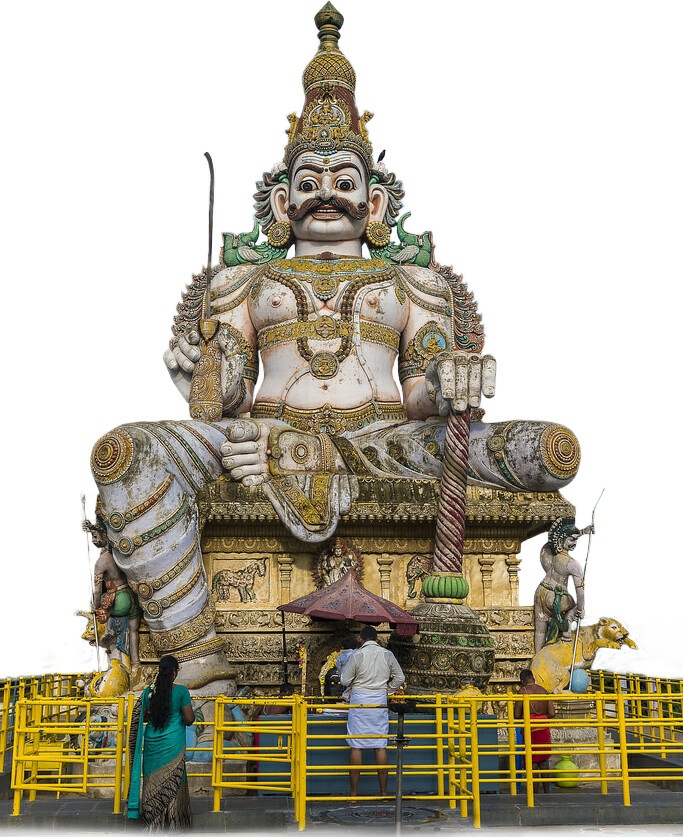
Karuppusamy (also called Karuppar, Karuppannasamy, or Sangili Karuppar) is one of the most powerful and beloved kaval deivams (guardian deities) in Tamil folk Hinduism. He is worshipped primarily in villages across Tamil Nadu as a fierce protector who guards the boundaries of the village, punishes evil, and fiercely defends his devotees.
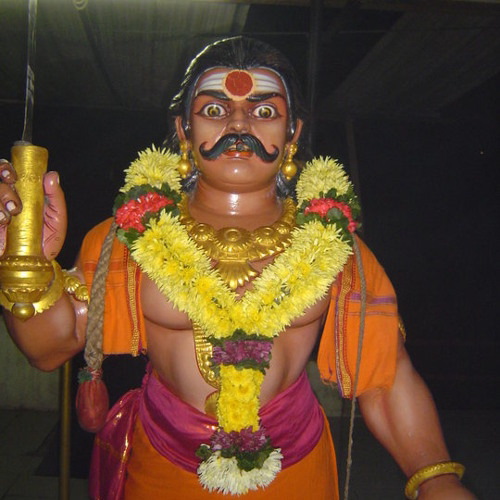
Karuppusamy is typically depicted as a dark-skinned, muscular warrior with a large moustache, holding a silver staff (velli perampu) or an aruvaal (billhook), and riding a white horse. His worship is deeply connected to folk traditions, night poojas, and offerings of animal sacrifice in traditional villages.
Despite his fierce appearance, Karuppusamy is considered a compassionate father figure to his devotees. He is easily pleased by sincere devotion, and many families consider him their family deity (kula deivam). Devotees call upon him for protection from enemies, justice in disputes, relief from illness, and blessing on new ventures.
About the Song Sambrani Vaasagare
Sambrani Vaasagare gets its name from sambrani — the fragrant resin (benzoin) traditionally burned during Hindu worship, filling the air with its sacred smoke. The opening line calls upon Karuppusamy as the one who "smells of sambrani" — a poetic way of honouring him as a divine presence surrounded by the fragrance of devotion.
This song is a call to the deity to descend and bless. It describes:
- Karuppusamy's fierce, majestic appearance — his moustache, silver staff, and warrior stride
- The devotees' offerings — camphor, garlands, vratams, and padayal (ritual food offering)
- His divine forms — appearing as wind, rain, fire, and smoke
- The village setting — Velangudi, his place of worship
- The collective devotion of the community, calling him as "our" Karuppar
The song is typically sung in a call-and-response style during festivals, with devotees clapping, dancing, and calling out to Karuppar. It has become one of the most iconic Tamil devotional songs of the village god tradition.
Sambrani Vaasagare — Full Tamil Lyrics
Below are the complete Tamil lyrics of the devotional song. Sing with devotion — the power of the song comes from the heart, not perfection.
Store passwords, IDs, documents and private information securely on your phone. No cloud. No tracking.
Meaning of Key Phrases in the Song
Understanding the meaning deepens the devotional experience. Below are the key phrases explained:
- சாம்பிராணி வாசகா — O one who smells of sambrani (sacred benzoin incense)
- சாட்டக்கம்பு நாயகா — Lord who wields the staff (danda) of authority
- மீசையத்தான் தூக்கி வா — Come lifting your great moustache (a mark of his warrior pride)
- கெண்டக் காலு சலங்கை — The anklets on your warrior legs
- திரு நீருப் பூச்சு — The sacred vibhuti (holy ash) smeared on your body
- வேலங்குடி சாமி — The deity of Velangudi (a Karuppusamy shrine)
- வெள்ளிப் பெரம்பெடுத்து — Holding your silver staff
- வெள்ளக் குதிர ஏறி — Riding your white horse
- பட்டி பதினெட்டுக்கும் படி பதினெட்டுக்கும் அதிபதியா — You are the lord of the 18 pattis (settlements) and 18 steps (boundaries of the village)
- உறங்காபுளி கருப்பா — The ever-awake Karuppar (who never sleeps in protecting his devotees)
- படையல் இட்டோம் — We have offered the ritual food (padayal) to you
- வீர கருப்பா — The heroic Karuppar
When and Where Is This Song Sung?
Sambrani Vaasagare is traditionally sung during the following occasions:
- Village festivals (Thiruvizha) — especially during the annual Karuppusamy festival
- Night poojas — when the deity is invoked after sunset
- Kula deivam worship — during family deity worship at home or at the shrine
- Padayal rituals — when food offerings are made to Karuppusamy
- Vratam (fasting) completion — after the devotee completes their vow
- New ventures — asking Karuppusamy's blessing before starting something important
- Protection prayers — when the family or village faces threats or difficulties
The song is sung aloud, often in a group, with devotees clapping, dancing, and calling out the refrain "வாடா கருப்பா!" (Come, Karuppa!). The energy of the song is considered an invitation for the deity to descend and bless the gathering.
Frequently Asked Questions
Who is Karuppusamy Swamy?
Karuppusamy (also called Karuppar) is a powerful kaval deivam (guardian deity) in Tamil folk Hinduism. He is worshipped across Tamil Nadu villages as a fierce protector who guards the village, punishes evil, and blesses his devotees. He is often depicted as a dark-skinned warrior with a large moustache, holding a silver staff or aruvaal, and riding a white horse.
What does "Sambrani Vaasagare" mean?
Sambrani Vaasagare means "O one who smells of sambrani". Sambrani is a sacred benzoin resin burned during Hindu worship. The phrase poetically honours Karuppusamy as a divine presence surrounded by the fragrance of devotion.
When is this song sung?
The song is typically sung during village festivals, night poojas, padayal rituals, and kula deivam worship. It is also sung when devotees complete their vratams (vows) or seek Karuppusamy's protection.
Can I sing this song at home?
Yes. While the song is most powerful when sung in a group setting during village festivals, it can also be sung alone at home with sincere devotion. Karuppusamy is considered easily pleased by genuine love — no elaborate ritual is required.
Who is Velangudi Karuppusamy?
Velangudi Karuppusamy refers to the form of Karuppusamy worshipped at Velangudi, a village shrine in Tamil Nadu. The song calls upon him specifically as "எங்க வேலங்குடி சாமி கருப்பா" — "our Velangudi Karuppar". Several famous Karuppusamy temples exist across Tamil Nadu with the Velangudi tradition.
Is Karuppusamy a form of Shiva?
In many traditions, Karuppusamy is considered a form of Lord Shiva's attendant or an avatar of Dharma Shasta (Ayyappa). He is often worshipped alongside Munishwaran and other village guardian deities.
What offerings are given to Karuppusamy?
Traditional offerings include sambrani (benzoin incense), camphor, colour garlands, padayal (ritual food), and offerings of gratitude after vows. In some traditions, animal sacrifice is also part of the ritual — though many modern devotees substitute vegetarian offerings.
What is the benefit of singing this song?
Devotees believe singing Sambrani Vaasagare with sincere love invokes Karuppusamy's protection, blessings, and presence. It is said to remove fear, ward off negativity, fulfil vows, and strengthen the devotee's bond with their kula deivam.
Conclusion — Call Upon Karuppar with Love
Sambrani Vaasagare is more than a song — it is a loving call from the devotee to their guardian deity. Its simple, repetitive lines carry the deep devotion of generations of Tamil families who have turned to Karuppusamy for protection, justice, and blessings.
Whether you sing it during a village festival, a night pooja, or quietly at home, the song's power lies in its sincerity. Karuppusamy is a kaval deivam — a guardian who listens, watches, and responds. And when his children call, he comes.
வாடா வீர கருப்பா... எங்க வேலங்குடி சாமி கருப்பா! 🔥
Store passwords, IDs, documents and private information securely on your phone. No cloud. No tracking.
Related Devotional Posts
You may also like our other village god devotional songs:
Support Our Devotional Journey
This devotional space is created to share sacred mantras, divine stories, and spiritual knowledge with pure devotion and sincerity. All content is offered freely to help devotees find peace, faith, and inner strength through spirituality.
If you feel spiritually connected or benefited by our devotional posts, you may choose to support this journey. Your support encourages us to continue sharing meaningful devotional content for everyone.
Support this Devotional Website
Disclaimer
The content published in this post, including song lyrics, meanings, and spiritual explanations, is shared solely for devotional, educational, and informational purposes. The information is based on traditional beliefs and commonly available spiritual references.
While every effort is made to present the content respectfully and accurately, the author does not claim absolute correctness, completeness, or guaranteed outcomes. This content must not be considered professional advice, including medical, psychological, legal, financial, astrological, or religious guidance.
The author and publisher shall not be held responsible or liable for any direct, indirect, incidental, or consequential outcomes arising from the reading, interpretation, or practice of the content shared on this website.
Spiritual results and personal experiences may vary depending on individual faith, belief, intention, discipline, and consistency of practice. Readers are advised to use their own judgment and discretion.




Comments
Post a Comment