Madurai Veeran — History, Story, Origin & Worship
Madurai Veeran is one of the most widely revered guardian deities in Tamil folk tradition. He is remembered as a brave warrior associated with courage, protection, loyalty and justice, and his worship remains an important part of devotional life in many parts of Tamil Nadu.
The story of Madurai Veeran is preserved mainly through folk traditions, devotional songs, oral histories and temple legends. Different communities may tell the story with variations, so the traditional accounts should be understood as devotional lore rather than as one universally documented historical biography.
This article explores Madurai Veeran history, story, traditional origin, worship, guardian-deity role, Bommi and Vellaiyammal, temples and devotional significance. It also connects with our existing Pandi Muni History and other Tamil village deity content.

Store passwords, IDs, documents and private information securely on your phone. No cloud. No tracking.
Who Is Madurai Veeran?
Madurai Veeran is traditionally worshipped as a powerful guardian deity in Tamil Nadu. His name is closely associated with Madurai, and his devotional identity is built around bravery, protection and the defence of people and communities.
The word Veeran conveys the idea of a brave or heroic person. In folk worship, Madurai Veeran therefore represents courage and the protective strength expected from a guardian.
Unlike deities whose traditions are preserved primarily through ancient scriptures, Madurai Veeran's story is strongly connected with Tamil folk culture, temple traditions, songs and oral storytelling.
Madurai Veeran History and Traditional Story
There are different versions of the Madurai Veeran story, but a widely told traditional account describes him as a child of royal origin who was abandoned because of an astrologer's prediction. According to this legend, the child was later found and raised by a family outside the royal household.
As he grew older, he became known for his physical strength, courage and martial abilities. His reputation eventually brought him into the service of the rulers of the Madurai region.
According to the popular legend, Madurai was facing problems caused by robbers and disorder. Madurai Veeran was appointed to help protect the city and its people, where his bravery made him a respected warrior.
The details of this story vary between oral traditions and devotional retellings. The central theme, however, remains the same: Madurai Veeran is remembered as a courageous protector whose life became part of the cultural memory of Madurai.
Madurai Veeran and Madurai
Madurai is central to the devotional identity of Madurai Veeran. His name itself connects him with the city, and local traditions remember him as a guardian associated with the protection of Madurai.
Tamil Nadu Tourism describes Madurai Veeran as a guardian deity of Madurai and notes a shrine associated with him within the compound of the Meenakshi Amman Temple.
This association makes Madurai Veeran an important part of the wider religious and cultural landscape of Madurai, a city already famous for its ancient temple traditions.
Madurai Veeran as a Brave Warrior
The traditional story portrays Madurai Veeran as a warrior who was willing to face danger while protecting people. His bravery is one of the most important reasons he became a popular figure in Tamil folk devotion.
His story is often remembered through devotional songs and performances in which courage, loyalty and protection are major themes.
For devotees, the warrior image of Madurai Veeran is not simply about physical strength. It also represents the courage to stand against injustice and protect those who depend upon him.
Store passwords, IDs, documents and private information securely on your phone. No cloud. No tracking.
Madurai Veeran and Bommi
Bommi is traditionally remembered as one of the women closely connected with Madurai Veeran's story. In different versions of the legend, their relationship forms an important part of the narrative surrounding his life.
The story of Bommi and Madurai Veeran is preserved mainly through folk traditions, songs and devotional storytelling. Details can differ between regional versions, so individual retellings should not be treated as a single historically verified account.
Madurai Veeran and Vellaiyammal
Vellaiyammal is another important figure in the traditional Madurai Veeran story. Popular versions describe her relationship with Madurai Veeran and connect it with the conflict that ultimately led to his death.
The story is often interpreted through themes of love, social barriers, loyalty and sacrifice. These elements helped the story survive through generations of Tamil folk songs and oral traditions.
Tamil Nadu Tourism also includes Bommi and Vellaiyammal in its account of the Madurai Veeran legend.
The Death of Madurai Veeran
According to the widely told legend, Madurai Veeran's relationship with Vellaiyammal created opposition within the royal establishment. The story describes a conflict involving social status and royal authority.
In the traditional account, Madurai Veeran was eventually sentenced to death. The legend describes severe punishment and his death, followed by the deaths of the women associated with him in some versions of the story.
The details of the punishment and its circumstances vary across retellings. What remains central to the devotional story is the transformation of a brave warrior into a revered guardian figure.
How Madurai Veeran Became a Guardian Deity
One of the most important parts of the traditional story is what happens after Madurai Veeran's death. According to the popular legend, the ruler later felt regret and sought to honour Madurai Veeran and those connected with his story.
Over time, Madurai Veeran came to be worshipped as a protective guardian. His devotional role expanded beyond the original story and became connected with village protection, family worship and prayers for courage.
This transition from heroic warrior to guardian deity is an important feature of Tamil folk religious traditions, where local heroes and protective figures may become central to community worship.
Madurai Veeran Worship and Devotional Tradition
Madurai Veeran worship differs between temples, villages and families. Some devotees consider him a family deity, while others worship him as a local guardian or as part of a larger village-deity tradition.
Traditional worship may include offerings, prayers, devotional songs and special ceremonies. The exact practices depend on the temple and community.
Tamil Nadu Tourism records that families who consider Madurai Veeran their family deity may offer prayers before important household functions.
Madurai Veeran as a Family Deity
For families who traditionally worship Madurai Veeran as their kula deivam, devotion may form part of important family occasions and prayers. The deity is approached as a protector whose blessings are sought for the family.
Guardian Deity Worship
As a guardian deity, Madurai Veeran is traditionally associated with protection and courage. His shrines may be found alongside other village deities depending on the local religious tradition.
Madurai Veeran Symbols and Traditional Appearance
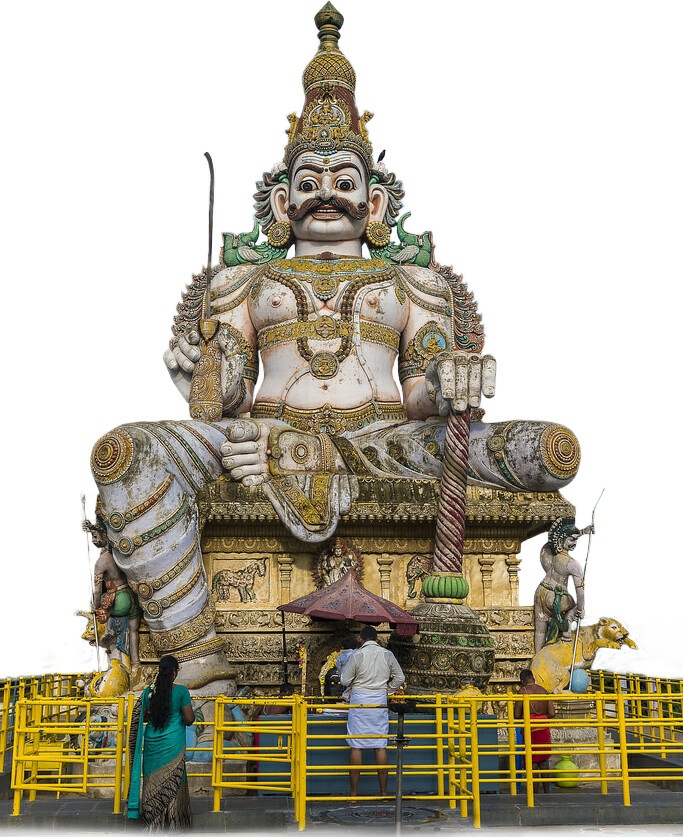
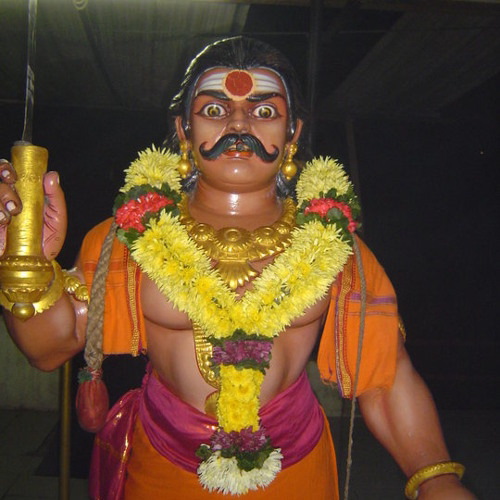
Madurai Veeran is commonly represented as a powerful warrior figure. His traditional appearance reflects the heroic and protective character associated with his worship.
Warrior Form
The warrior form represents courage, strength and readiness to protect. This imagery connects directly with the traditional stories about Madurai Veeran's life as a brave warrior.
Weapons
Weapons appearing in Madurai Veeran iconography represent the protective role of the deity. Their exact form can differ between temples and local traditions.
Horse and Warrior Imagery
Horse imagery is common in the wider tradition of Tamil guardian deities. Madurai Veeran is also represented through heroic and protective imagery in different devotional settings.
Store passwords, IDs, documents and private information securely on your phone. No cloud. No tracking.
Madurai Veeran Temple in Madurai
One of the important places associated with Madurai Veeran is the shrine located within the compound of the Meenakshi Amman Temple in Madurai, according to Tamil Nadu Tourism.
The shrine forms part of the wider sacred landscape of Madurai and reflects the way major temple traditions and local guardian-deity worship can exist within the same cultural environment.
Devotees visiting Madurai can therefore encounter Madurai Veeran as part of the city's broader devotional heritage.
Madurai Veeran Songs and Devotional Music
Madurai Veeran's story has been preserved not only through temple traditions but also through Tamil devotional songs. Songs about Madurai Veeran often focus on his bravery, protection, calling, worship and relationship with devotees.
We have already collected Madurai Veeran devotional songs on the blog. These songs provide another way to explore the folk traditions surrounding the guardian deity.
You can also explore our broader Top 20 Village God Songs in Tamil for related Tamil village-deity devotional music.
Madurai Veeran Mantras and 108 Potri
Madurai Veeran is also worshipped through devotional mantras and Potri prayers. These forms of worship allow devotees to remember the deity through repeated devotional names and praises.
If you are specifically looking for the mantra collection, see our dedicated Madurai Veeran 108 Mantras in Tamil.
Keeping the history and mantra content on separate pages also makes it easier for readers to find either the traditional story or the devotional prayers they are looking for.
Why Madurai Veeran Is Important in Tamil Folk Tradition
Madurai Veeran occupies a distinctive place in Tamil folk devotion because his identity combines the ideas of heroism, protection, loyalty and community memory.
His story is also connected with the social and cultural world of Tamil Nadu, where village guardian deities have traditionally played an important role in local religious life.
Madurai's strong association with the deity has helped preserve his story through generations of songs, temple worship, oral narratives and family traditions.
Madurai Veeran and Other Tamil Guardian Deities
Madurai Veeran is part of a much wider devotional landscape that includes guardian and village deities such as Muniswaran, Pandi Muni, Ayyanar, Karuppasamy and other regional deities.
These traditions are not identical, and each deity has its own stories, temples, rituals and local identity. However, protection, courage and community worship are recurring themes in many Tamil folk traditions.
For another important Madurai guardian tradition, read our detailed Pandi Muni History.
You can also read our History of Munishwaran to explore another major South Indian guardian deity tradition.
Related Madurai Veeran & Village Deity Posts
If you want to explore more about Madurai Veeran and other Tamil village guardian deities, these related devotional posts may be useful:
Frequently Asked Questions About Madurai Veeran
Who is Madurai Veeran?
Madurai Veeran is a Tamil folk guardian deity traditionally associated with bravery, protection and the city of Madurai. His story is preserved through folk traditions, temple worship, songs and oral narratives.
What is the story of Madurai Veeran?
A popular traditional story describes Madurai Veeran as a brave warrior who served the ruler of Madurai and later faced punishment because of his relationship with Vellaiyammal. After his death, he became revered as a guardian deity. Different communities preserve variations of this story.
Who are Bommi and Vellaiyammal?
Bommi and Vellaiyammal are two important figures associated with the traditional Madurai Veeran story. Their roles and the details of their relationships with Madurai Veeran vary between folk retellings.
Why is Madurai Veeran worshipped?
Madurai Veeran is traditionally worshipped as a guardian deity associated with courage, protection and justice. Many devotees also consider him a family or local guardian deity.
Where is the Madurai Veeran shrine in Madurai?
A Madurai Veeran shrine is associated with the Meenakshi Amman Temple complex in Madurai, according to Tamil Nadu Tourism.
Is Madurai Veeran a historical person or a folk deity?
Madurai Veeran is primarily known today as a Tamil folk guardian deity. His life story is preserved through legends, oral traditions and devotional literature, and the details are not presented as one universally verified historical biography.
Where can I find Madurai Veeran 108 mantras?
You can read our dedicated Madurai Veeran 108 Mantras in Tamil for the devotional mantra collection.
Conclusion
Madurai Veeran remains one of the most recognizable guardian deities in Tamil folk tradition. His traditional story combines courage, warriorhood, love, sacrifice and protection, while his later devotional identity connects him strongly with guardian-deity worship.
The exact details of the Madurai Veeran story differ across communities and regional traditions. What remains consistent is the deep respect shown towards him as a brave protector and the continued place of his worship in Tamil devotional culture.
From the stories of Madurai Veeran and his connection with Bommi and Vellaiyammal to his worship as a guardian deity, his tradition continues through temples, family worship, devotional songs, mantras and oral storytelling.




Comments
Post a Comment