Saptha Muni — The Seven Guardian Munis of South Indian Folk Tradition
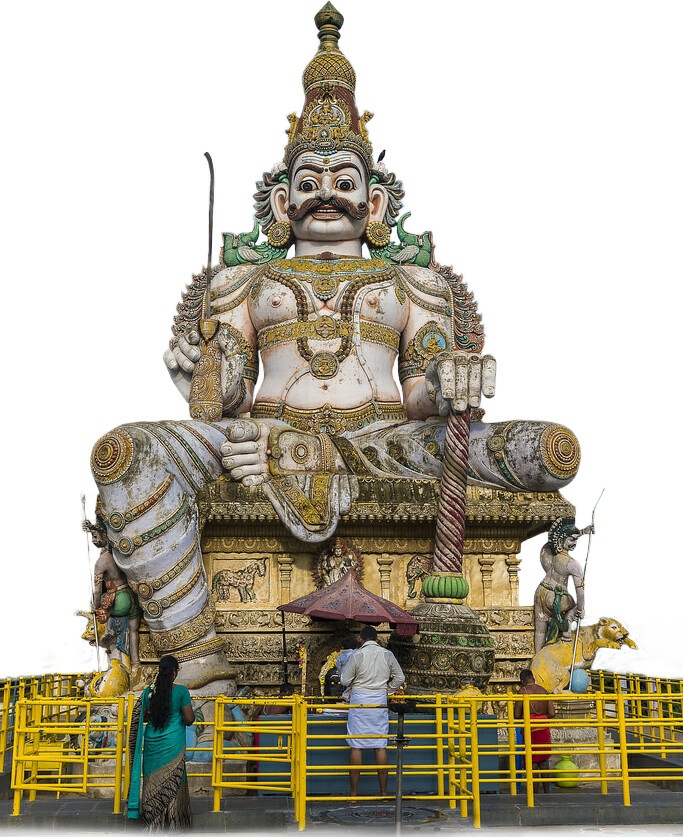
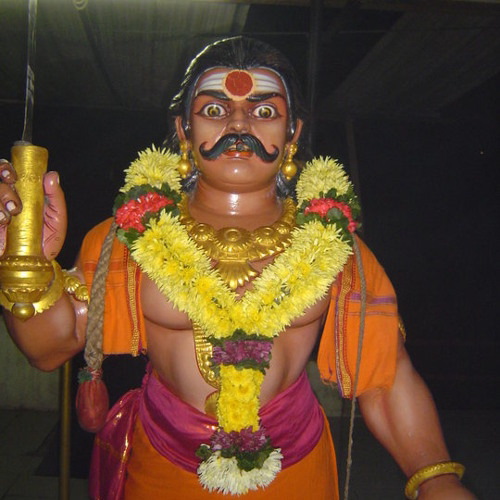
Saptha Muni refers to the group of seven guardian Munis worshipped in South Indian folk traditions.
These Munis are believed to serve as protectors and spiritual attendants associated with folk deities such as Munishwaran.
In village worship practices, the Saptha Munis are honoured collectively for protection, balance, and harmony. While beliefs and names may vary slightly by region, the tradition of worshipping seven Munis together remains an important part of folk devotion.

Store passwords, IDs, documents and private information securely on your phone. No cloud. No tracking.
What Are the Saptha Munis?
The Saptha Munis (Saptha meaning "seven" and Muni meaning "sage" or "saint") are a group of seven guardian deities in South Indian folk Hinduism. They are worshipped collectively as protectors of villages, families, and devotees.
In Tamil village traditions, the Saptha Munis are closely associated with the worship of Munishwaran and other guardian deities. They are considered spiritual attendants — warriors and sages who stand watch over the boundaries of a village, protecting the community from evil forces, disease, and misfortune.
The number seven carries symbolic meaning in Hindu tradition — echoing the Sapta Rishis (seven great sages), the seven seas, and the seven sacred cities. The Saptha Munis mirror this sacred structure within the folk guardian tradition.
Origin — Protecting Goddess Pachaiamman
According to one widely told oral tradition, the Saptha Munis were created to protect Goddess Sakthi in the form of Goddess Pachaiamman — the green-hued form of the Divine Mother — against seven Arakar Veerars (demonic warriors).
In this account, Goddess Pachaiamman needed divine guardians to defend her during a fierce battle. From the energy of Lord Shiva and the sages, seven Munis arose to serve as her protectors. Each Muni was given a distinct name, weapon, and role in the defence.
This origin story explains why the Saptha Munis are worshipped together — they are not separate deities, but a collective guardian force bound by a shared purpose. In village shrines, they are often depicted as a group of warrior-sages standing in formation around the mother goddess.
Connection with Sapta Rishis
Some traditions regard the Saptha Munis as folk versions of the Sapta Rishis — the seven great sages of Vedic tradition. In this interpretation, the same seven cosmic sages are worshipped in a village-guardian form, closer to the daily life and protection needs of ordinary devotees.
While the names differ from the classical Vedic Sapta Rishis (Kashyapa, Atri, Vasishtha, Vishvamitra, Gautama, Jamadagni, Bharadvaja), the number seven and the sacred role of guiding and protecting remain consistent. This reflects how folk traditions adapt and localise broader Hindu themes to fit community worship.
The Saptha Munis therefore occupy a unique place — between the classical Rishis of Sanskrit tradition and the guardian deities of village worship.
🔱 Saptha Muni Names
While the names and number of Munis may vary slightly by region and tradition, the following seven are the most commonly recognised Saptha Munis in South Indian folk devotion:
- Shiva Muni
- Maha Muni
- Thava Muni
- Naatha Muni
- Jada Muni
- Dharma Muni
- Vaal Muni
Regional Variations in Names
Because the Saptha Munis are a folk tradition rather than a scripturally fixed list, their names and roles shift from region to region. Villages in northern Tamil Nadu may emphasise one set of names, while villages in the south may worship a different set under the same collective title of "Saptha Muni."
Some traditions place Siva Muni at the head of the group, since he is connected with Lord Shiva and the origin of Munishwaran. Others place Jada Muni first, particularly in shrines dedicated to Jada Muni worship.
Despite these differences, the core devotional idea remains the same — seven guardian Munis, worshipped together as a protective force. This flexibility is one of the reasons the tradition has survived for centuries across different communities.
Store passwords, IDs, documents and private information securely on your phone. No cloud. No tracking.
Role in Village Protection
The primary role of the Saptha Munis is protection. In village belief, they guard the four corners and the three inner boundaries of a village — completing the sevenfold protection grid that keeps evil forces, disease, and misfortune outside the community.
Each Muni is believed to hold a specific responsibility:
Guarding the Boundaries
The Saptha Munis are worshipped at the edges of the village — near crossroads, rivers, and forest paths — where they stand watch against intruding spirits and negative forces.
Protecting Devotees
Families who worship the Saptha Munis as their kula deivam (family deity) believe the seven Munis protect them from harm, illness, and misfortune across generations.
Preserving Balance
The seven Munis are worshipped together because together they represent balance — strength, wisdom, righteousness, and courage held in equal measure. Worshipping them individually is not the tradition; they are honoured as one collective guardian force.
Supporting the Divine Mother
As protectors of Goddess Pachaiamman, the Saptha Munis are invoked during festivals of the Mother Goddess — particularly during Pachaiamman temple festivals in Tamil Nadu.
Worship & Offerings
Worship of the Saptha Munis varies by village, family, and tradition. In many communities, they are offered food served with raw meat or sometimes cooked meat, along with other traditional offerings such as rice, coconut, and betel leaves. This reflects their character as warrior-sages rather than purely vegetarian temple deities.
Common forms of worship include:
Collective Puja
The Saptha Munis are worshipped together, not individually. Families and villages hold collective pujas on auspicious days, particularly during Tamil months associated with Murugan and Amman worship.
Kula Deivam Worship
For families who consider the Munis their kula deivam, worship is performed during important life events — marriages, housewarmings, and family gatherings — with the Munis invoked as ancestral protectors.
Village Festivals
During village festivals, especially those connected with Goddess Pachaiamman or Mariamman, the Saptha Munis are honoured with processions, drumming, and traditional offerings at their shrines.
Offerings
Common offerings include rice, coconut, betel leaves, and traditional non-vegetarian food in some communities. The exact offerings vary by local custom and family tradition.
Connection with Munishwaran
The Saptha Munis are closely tied to the broader tradition of Munishwaran — the powerful guardian deity worshipped across South India, Malaysia, and Singapore.
In many traditions, Siva Muni (one of the Saptha Munis) is regarded as an early incarnation connected with Munishwaran's origin from Lord Shiva's face. This links the seven Munis directly to the same divine lineage that produced Munishwaran himself.
Devotees who worship Munishwaran often also honour the Saptha Munis as his spiritual companions and attendants. In village shrines, they may appear together — Munishwaran at the centre with the Saptha Munis arranged around him as guardians.
To explore the story of Munishwaran and his own seven incarnations, see our detailed History of Munishwaran.
Store passwords, IDs, documents and private information securely on your phone. No cloud. No tracking.
Frequently Asked Questions About Saptha Muni
Who are the Saptha Munis?
The Saptha Munis are a group of seven guardian Munis worshipped in South Indian folk traditions. They are believed to serve as protectors and spiritual attendants associated with folk deities such as Munishwaran and Goddess Pachaiamman.
What are the names of the seven Munis?
The most commonly recognised Saptha Munis are Shiva Muni, Maha Muni, Thava Muni, Naatha Muni, Jada Muni, Dharma Muni, and Vaal Muni. Regional variations exist across Tamil Nadu and other parts of South India.
Why are the Saptha Munis worshipped?
In village worship practices, Saptha Munis are honoured collectively for protection, balance, and harmony. They are venerated as guardian forces believed to protect villages, families, and devotees from evil forces, disease, and misfortune.
Who do the Saptha Munis protect?
According to oral tradition, the Saptha Munis were created to protect Goddess Sakthi in the form of Goddess Pachaiamman against seven Arakar Veerars (demonic warriors). They also serve as guardians of villages and family lineages.
Are the Saptha Munis connected to Munishwaran?
Yes. The Saptha Munis are closely associated with the broader tradition of Munishwaran. In many traditions, Siva Muni — one of the Saptha Munis — is connected with Munishwaran's own origin from Lord Shiva's face.
Do Saptha Muni names vary by region?
Yes. While the tradition of worshipping seven Munis together remains consistent, the names and specific identities of the Munis may vary slightly by region and community. In some traditions, they are listed as Muttaiyar Muni, Chinna Muttaiyar Muni, Raya Muni, Jada Muni, Poo Muni, Sem Muni, and Vaal Muni.
Are the Saptha Munis related to the Sapta Rishis?
Some traditions regard the Saptha Munis as folk versions of the Sapta Rishis — the seven great sages of Vedic tradition. While the names differ from the classical Sapta Rishis, the number seven and the sacred role of protecting and guiding remain consistent.
How are the Saptha Munis worshipped?
The Saptha Munis are worshipped collectively rather than individually. In many villages, they are offered food served with raw meat or cooked meat along with rice, coconut, and betel leaves. Collective pujas are held on auspicious days, and families who consider them their kula deivam honour them during important life events.
Related Posts
❤️ Support Our Devotional Journey ❤️
This devotional space is created to share sacred mantras, divine stories, and spiritual knowledge with pure devotion and sincerity. All content is offered freely to help devotees find peace, faith, and inner strength through spirituality.
If you feel spiritually connected or benefited by our devotional posts, you may choose to support this journey. Your support encourages us to continue sharing meaningful devotional content for everyone.
Support this Devotional WebsiteThe content published in this post, including mantras, meanings, benefits, and spiritual explanations, is shared solely for devotional, educational, and informational purposes. The information is based on traditional beliefs, commonly available spiritual references, and AI-assisted content generation.
While every effort is made to present the content respectfully and accurately, the author does not claim absolute correctness or completeness of the information. This content does not guarantee any specific results and must not be considered professional advice, including medical, psychological, legal, financial, or astrological advice.
The author and publisher shall not be held responsible or liable for any direct, indirect, incidental, or consequential outcomes arising from the reading, interpretation, or practice of the content shared here.
Spiritual outcomes and personal experiences may vary based on individual faith, intention, discipline, and belief. Readers are advised to apply their own judgment and discretion while following any devotional or spiritual practice.
By accessing or using this content, you acknowledge and agree that you are solely responsible for your interpretations, actions, and decisions.




Comments
Post a Comment