Siva Muni is a respected figure in South Indian folk and devotional traditions, especially in Tamil Nadu. He is traditionally associated with spiritual discipline, protection, wisdom and the quiet strength of a guardian deity.
In many devotional traditions, Siva Muni is connected with Lord Shiva and is understood as a peaceful yet protective form. Devotees may approach Siva Muni for courage, mental clarity, protection and guidance while following their family and regional traditions.

The traditions surrounding Siva Muni are not represented by one single standardized story. Different communities may understand his identity, origin, forms and worship in slightly different ways. This article brings together the devotional traditions described around Siva Muni, including his connection with Shiva, Saptha Munis, worship practices, symbolism, mantras and guardian-deity traditions.
Store passwords, IDs, documents and private information securely on your phone. No cloud. No tracking.
Who Is Siva Muni?
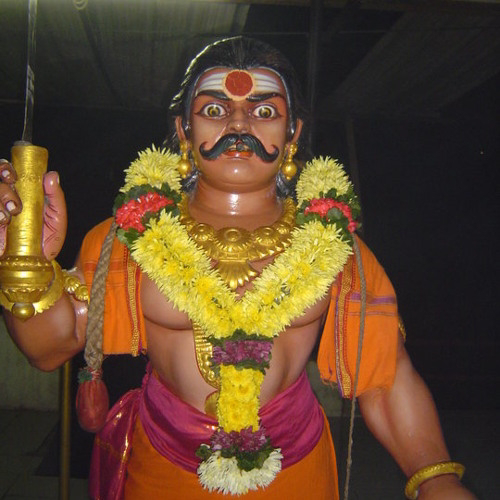
Siva Muni is traditionally regarded as a Muni figure associated with Lord Shiva and worshipped in South Indian folk and devotional traditions. In some communities, he is respected as a Kula Deivam (family deity) or Kaaval Deivam (guardian deity).
His traditional character is generally described as calm, disciplined and watchful. Rather than representing uncontrolled fierceness, Siva Muni is often associated with restraint, wisdom, spiritual maturity and protective strength.
For devotees, this makes Siva Muni both a guardian and a spiritual symbol. His worship can represent the importance of living with honesty, discipline, responsibility and inner balance.
Origin and History of Siva Muni
The understanding of Siva Muni comes from a combination of Shaiva traditions, regional folklore and living devotional practices. Unlike historical figures whose lives are documented through inscriptions or written records, the traditions surrounding village and Muni deities have often been preserved through oral traditions, family worship and local temple customs.
In Shaiva tradition, Lord Shiva is revered as the supreme ascetic, yogi and teacher. The idea of Shiva appearing through a Muni or sage-like form fits naturally within this broader spiritual understanding of Shiva as a teacher, renunciate and protector.
Within devotional belief, Siva Muni can therefore be understood as a disciplined and protective expression connected with the spiritual qualities of Shiva.
Siva Muni in Tamil Folk Tradition
Muni worship has a long connection with rural and village traditions in Tamil culture. Shrines associated with Munis may traditionally be found near village boundaries, trees, pathways and other places connected with the community.
Early forms of worship were often simple. A stone, trident, staff or symbolic representation placed in a sacred location could serve as the focus of devotion. Over generations, some of these locations developed into more organized shrines and temples.
This simple style of worship reflects an important characteristic of Muni traditions: the emphasis is often on the deity's protective presence rather than on elaborate architecture.
Siva Muni and the Saptha Munis
Siva Muni is also discussed in connection with the Saptha Munis , or the seven sages, in certain devotional traditions.
The Saptha Munis are traditionally associated with spiritual knowledge, discipline, wisdom and moral order. Their stories and identities vary across different Hindu traditions, but the broader idea of the Muni is strongly connected with spiritual practice and wisdom.
The connection between Siva Muni and the Munis also highlights Shiva's traditional role as Adi Guru, the first teacher. In this understanding, spiritual knowledge is not only received through spoken instruction but also through observation, discipline, meditation and awareness.
This gives Siva Muni a dual devotional character: a guardian who protects and a teacher who represents disciplined living.

Forms and Manifestations of Siva Muni
Siva Muni may be represented differently depending on the regional tradition. Some forms emphasize his role as a guardian, while others emphasize meditation, wisdom and spiritual discipline.
Guardian Form
In a guardian form, Siva Muni may be represented with a trident or staff. This symbolism is traditionally connected with protection, authority, vigilance and responsibility.
Meditative Form
In a meditative representation, Siva Muni is shown in a calm posture. This form emphasizes inner peace, concentration, spiritual awareness and discipline.
Connection With Other Muni Traditions
Regional traditions may also discuss Siva Muni alongside other Muni figures. For example, this devotional tradition includes references to Jada Muni and Pandi Muni .
These traditions should not automatically be treated as identical. Local beliefs may give each Muni a different identity, story and role.
Symbolism and Spiritual Meaning of Siva Muni
The traditional appearance and symbols associated with Siva Muni are often interpreted spiritually.
Matted Hair
Matted hair is traditionally associated with ascetic life, self-control and freedom from worldly distractions. In this context, it represents mastery over desires and disciplined living.
Trident
The trident is a powerful symbol associated with Shiva. In devotional interpretation, it can represent authority, balance and the ability to maintain order.
Staff
A staff can symbolize guidance, discipline and responsibility. It represents the idea of following a righteous path rather than acting through impulse.
Calm Posture
The peaceful appearance associated with Siva Muni emphasizes an important spiritual message: strength does not always need to appear as aggression. Calmness, awareness and self-control can also represent strength.
Siva Muni Worship and Devotion
Siva Muni worship is traditionally practiced by families, village communities and individual devotees who follow guardian-deity and ancestral traditions.
The exact method of worship varies according to the temple and family. Simple devotional practices may include lighting a lamp, offering flowers, burning incense and remembering the deity with sincere prayer.
Many devotees place importance on sincerity and discipline rather than on elaborate rituals. The purpose of worship is often connected with seeking protection, peace, courage and spiritual clarity.
Siva Muni Pooja Vidhi
A simple devotional worship practice can begin by cleaning the worship area and approaching the deity with a calm and respectful mind.
Basic Items
- Oil or ghee lamp
- Flowers
- Incense
- Sacred ash
- Clean water
Simple Worship Steps
- Clean the place of worship.
- Light the lamp.
- Offer flowers with respect.
- Use sacred ash according to your family tradition.
- Recite a devotional mantra or prayer.
- Spend a few quiet moments in prayer and gratitude.
There is no single worship procedure that applies to every Siva Muni shrine. Family customs and temple traditions should be given priority.

Siva Muni Mantra
Devotional mantras may be used as part of prayer and meditation. The existing tradition associated with this page includes the following Siva Muni mantra:
A widely known Shaiva mantra that devotees may also recite is:
These chants are devotional in nature. Devotees may recite them according to their personal faith and family or temple tradition.
Siva Muni Temples and Sacred Places
Siva Muni shrines are traditionally associated with Tamil Nadu and with communities that maintain Tamil village deity traditions. Some shrines may be located in open spaces, near large trees or around traditional village boundaries.
The simplicity of these sacred places reflects the older nature of Muni worship, where the spiritual importance of the location and deity could be more significant than the physical size of the shrine.
Devotees may visit such places seeking protection, peace, spiritual clarity and connection with their ancestral traditions.
Festivals and Special Days
The exact festivals and special worship days associated with Siva Muni can vary between communities and temples.
The Tamil month of Aadi is traditionally important for many guardian-deity worship practices. Community worship and special prayers may be observed during this period.
Because Siva Muni is connected with Shiva in some traditions, Maha Shivaratri may also hold devotional significance for some worshippers.
Full moon days, Fridays and other special days may also be observed depending on local customs. Devotees should follow the practices traditionally maintained by their own temple or family.
Benefits Associated With Siva Muni Worship
Devotional traditions associate Siva Muni worship with several spiritual and personal qualities. These are matters of faith and should not be understood as guaranteed outcomes.
- Protection and a sense of security
- Courage during difficult situations
- Mental calm and clarity
- Discipline and self-control
- Strength to face challenges
- Respect for family and ancestral traditions
- Spiritual focus and inner awareness
For many devotees, the value of worship comes from the faith, discipline and peace that devotional practice brings into everyday life.
Spiritual Meaning of Siva Muni
The deeper message associated with Siva Muni is not only about protection. His calm and disciplined character represents the idea that true strength can come from self-control, awareness and patience.
The guardian aspect reminds devotees to remain alert and responsible, while the Muni aspect emphasizes wisdom, discipline and spiritual growth.
In this sense, Siva Muni represents a balance between protection and peacefulness, strength and restraint, action and awareness.
Frequently Asked Questions About Siva Muni
Who is Siva Muni?
Siva Muni is a Muni figure respected in South Indian folk and devotional traditions. He is traditionally associated with Lord Shiva, spiritual discipline and guardian-deity worship.
Is Siva Muni related to Lord Shiva?
In the devotional traditions described in this article, Siva Muni is associated with Lord Shiva and is understood as a disciplined and protective Muni form connected with Shiva.
Is Siva Muni a guardian deity?
Yes. In some Tamil traditions, Siva Muni is worshipped as a Kaaval Deivam, or guardian deity, and may also be respected as a family deity.
What is the Siva Muni mantra?
A devotional mantra associated with the tradition described on this page is Om Shivamunaye Namaha. Devotees may also recite Om Namah Shivaya as a Shaiva devotional mantra.
What does Siva Muni represent?
Siva Muni is traditionally associated with protection, discipline, wisdom, courage, balance and spiritual awareness.
Where is Siva Muni worshipped?
Siva Muni traditions are especially associated with Tamil Nadu and other communities that maintain Tamil folk and guardian-deity traditions.
Is Siva Muni one of the Saptha Munis?
Siva Muni is discussed in connection with Saptha Muni traditions in some devotional contexts. However, the identities and relationships of Muni figures can vary between regional traditions.
How can Siva Muni be worshipped?
Worship varies according to family and temple tradition. Simple practices can include lighting a lamp, offering flowers, using incense and reciting a devotional prayer or mantra with sincerity.
Related Devotional Posts
Conclusion
Siva Muni represents an important aspect of Tamil devotional and folk traditions, combining the qualities of a guardian, Muni and spiritual guide. His traditional association with Lord Shiva gives the deity a strong connection with discipline, wisdom and spiritual awareness.
The traditions surrounding Siva Muni vary from one community to another. Some devotees emphasize his role as a guardian deity, while others focus on his peaceful nature, meditation, wisdom and connection with the Saptha Munis.
Whether worshipped as a family deity, village guardian or spiritual presence, Siva Muni continues to represent protection, courage, discipline and inner strength for many devotees.
Disclaimer
This article is provided for devotional, educational and informational purposes. The descriptions of Siva Muni, his origin, worship, forms, traditions and spiritual meaning are based on devotional beliefs, regional traditions and commonly available spiritual references.
Different temples, families and communities may follow different traditions. Therefore, this article should not be considered a single authoritative account of every Siva Muni worship tradition.
Spiritual beliefs and personal devotional experiences vary from person to person. Readers should use their own judgment and follow the customs of their family, temple or spiritual tradition.




Comments
Post a Comment