Keep your private life private.
Store passwords, IDs, documents and private information securely on your phone. No cloud. No tracking.
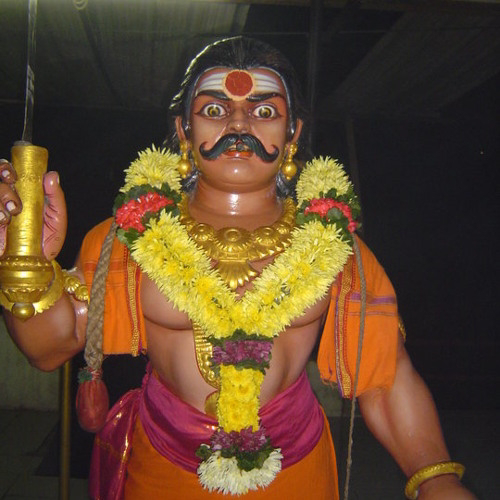
Who Is Munishwaran?
Munishwaran is a powerful guardian deity worshipped widely by devotees who seek protection, justice, and spiritual balance.
He is known as a protector of villages, homes, and devotees, and is deeply respected in folk worship traditions.

Munishwaran is not worshipped only as a village deity. Over time, devotion to Munishwaran has spread across many regions and countries, including Tamil Nadu, Sri Lanka, Malaysia, and Singapore.
Devotees believe that Munishwaran listens quickly to sincere prayers and protects those who worship him with faith.
Origin and History of Munishwaran
The name Munishwaran comes from two words:
Muni – sage or ascetic
Eshwaran – divine lord
Munishwaran is believed to be a divine form connected with disciplined sages who attained spiritual power through intense penance. Over time, people began to worship Munishwaran as a guardian who maintains order, truth, and protection.
Many traditions describe Munishwaran as a powerful protector who stands between good and evil, ensuring justice for devotees who live with honesty and devotion.
Related reading:
History of Munishwaran God – Origin & Meaning
Munishwaran as a Village Guardian God
Munishwaran is traditionally worshipped as a guardian deity. His temples are often found:
At village borders
Near large trees
At crossroads
Near farmlands
Devotees believe Munishwaran:
Protects villages from negative forces
Guards land and property
Maintains peace and justice
Watches over families and travelers
Related reading:
Why Munishwaran Is Worshipped as Village Guardian God

Forms and Names of Munishwaran
Munishwaran is worshipped in many forms and names, depending on regional traditions. Some well-known forms include:
Munishwaran
Muniyandi
Muneeswaran
Saptha Muni related forms
Each form represents protection, discipline, and spiritual strength. Devotees believe that Munishwaran appears in the form most suitable to protect them.
Related reading:
History of Siva Muni – Saptha Muni
Saptha Muni and Munishwaran
Saptha Muni refers to seven powerful sages who are closely associated with spiritual discipline and divine duty. In many folk traditions, Munishwaran is connected with the Saptha Muni lineage, symbolizing wisdom, protection, and balance.
Each Muni represents a unique spiritual quality, and together they are believed to guide and protect devotees on the righteous path.
Related reading:
Saptha Muni
How Munishwaran Is Worshipped
Munishwaran worship is simple and sincere. Devotees usually worship him with humility rather than luxury.
Common worship practices:
-
Lighting lamps (oil or ghee)
-
Offering flowers
-
Incense and camphor
-
Simple food offerings
Special worship days:
-
Saturdays
-
New moon days
-
Amavasya
-
Days of personal vows
Devotees believe honesty, discipline, and faith are more important than rituals.

Benefits of Worshipping Munishwaran
Devotees believe that regular worship of Munishwaran brings:
-
Protection from negative energies
-
Peace of mind
-
Justice in difficult situations
-
Strength during challenges
-
Stability in life and family
Munishwaran is often worshipped by those seeking clarity, courage, and protection during uncertain times.
Munishwaran Mantras and Devotional Chants
Mantras play an important role in Munishwaran worship. Chanting mantras with devotion is believed to bring spiritual strength and protection.
Recommended readings:
108 Munishwaran Mantras in Tamil
108 Munishwaran Mantras in English
Munishwaran Worship Across Regions
Munishwaran worship is not limited to one place. Devotees can be found across:
-
Tamil Nadu
-
Sri Lanka
-
Malaysia
-
Singapore
-
Other countries with Tamil communities
Temples and shrines dedicated to Munishwaran are maintained with deep devotion, especially by families who worship him as a protector across generations.

Muniyandi and Munishwaran
Muniyandi is considered one of the popular forms of Munishwaran. In many traditions, Muniyandi represents the approachable and protective nature of Munishwaran.
Why Devotees Trust Munishwaran
Devotees trust Munishwaran because he is believed to:
-
Respond quickly to sincere prayers
-
Protect those who live honestly
-
Guide devotees during difficult phases
-
Maintain balance between discipline and compassion
Faith in Munishwaran is built through personal experiences passed down across generations.
Munishwaran is not just a village guardian deity but a powerful symbol of protection, justice, and spiritual discipline. His worship teaches simplicity, faith, and righteousness.
For devotees, Munishwaran represents a guiding force who watches over them with strength and compassion.

RELATED POSTS
❤️ Support Our Devotional Journey
This devotional space is created to share sacred mantras, divine stories, and spiritual knowledge with pure devotion and sincerity. All content is offered freely to help devotees find peace, faith, and inner strength through spirituality.
If you feel spiritually connected or benefited by our devotional posts, you may choose to support this journey. Your support encourages us to continue sharing meaningful devotional content for everyone.Support this Devotional Website
If you feel spiritually connected or benefited by our devotional posts, you may choose to support this journey. Your support encourages us to continue sharing meaningful devotional content for everyone.
Support this Devotional Website
DISCLAIMER
The content published in this post, including mantras, meanings, benefits, and spiritual explanations, is shared solely for devotional, educational, and informational purposes. The information is based on traditional beliefs, commonly available spiritual references, and AI assisted content generation.
While every effort is made to present the content respectfully and accurately, the author does not claim absolute correctness or completeness of the information. This content does not guarantee any specific results and must not be considered professional advice, including medical, psychological, legal, financial, or astrological advice.
The author and publisher shall not be held responsible or liable for any direct, indirect, incidental, or consequential outcomes arising from the reading, interpretation, or practice of the content shared here.
Spiritual outcomes and personal experiences may vary based on individual faith, intention, discipline, and belief. Readers are advised to apply their own judgment and discretion while following any devotional or spiritual practice.
By accessing or using this content, you acknowledge and agree that you are solely responsible for your interpretations, actions, and decisions.




Comments
Post a Comment