Lord Shiva — History, Family, Forms, Symbols & Worship
Lord Shiva, also known as Mahadeva, is one of the most widely worshipped deities in Hindu tradition. He is associated with transformation, meditation, devotion, destruction and renewal, and is worshipped in many forms across India and beyond.
Shiva is traditionally understood through many different aspects. He appears as the peaceful Adiyogi, the cosmic dancer Nataraja, the powerful Mahakala, the compassionate Mahadeva and, in South Indian folk traditions, through guardian forms associated with village worship.
This guide explores Lord Shiva history, family, forms, symbols, Shiva Lingam, worship, mantras, temples and festivals. It also explains the traditional connection between Shiva and guardian deities such as Munishwaran.

Store passwords, IDs, documents and private information securely on your phone. No cloud. No tracking.
Who Is Lord Shiva?
Lord Shiva is one of the principal deities of Hinduism and is traditionally associated with the Trimurti alongside Brahma and Vishnu. In this traditional framework, Brahma is associated with creation, Vishnu with preservation and Shiva with dissolution and transformation.
The idea of Shiva's destructive aspect does not simply represent destruction in a negative sense. In Hindu philosophical traditions, dissolution can also represent the ending of one cycle and the beginning of another.
Shiva is therefore represented through seemingly different qualities: a meditating yogi, a powerful deity, a family man, a cosmic dancer and a protector. These different forms are part of the rich devotional traditions surrounding Lord Shiva.
History and Ancient Origins of Lord Shiva
The history of Shiva worship extends across several layers of Indian religious and cultural tradition. Shiva appears in different forms and names across ancient texts, temple traditions and regional devotional practices.
Rudra in the Vedic Tradition
One important early association is Rudra, a powerful deity mentioned in the Rig Veda. Rudra is associated with fierce natural forces, healing and protection. Over time, Rudra and Shiva became closely connected within later Hindu traditions.
Shiva in Later Hindu Tradition
Later Hindu literature and devotional traditions developed many stories, symbols and forms associated with Shiva. These traditions describe him as Mahadeva, Mahayogi, Nataraja, Mahakala and through many other names.
The stories surrounding Shiva are not limited to a single form. Different regions and communities have developed their own devotional traditions while retaining Shiva's central place in Hindu worship.
Lord Shiva and Munishwaran in South Indian Tradition
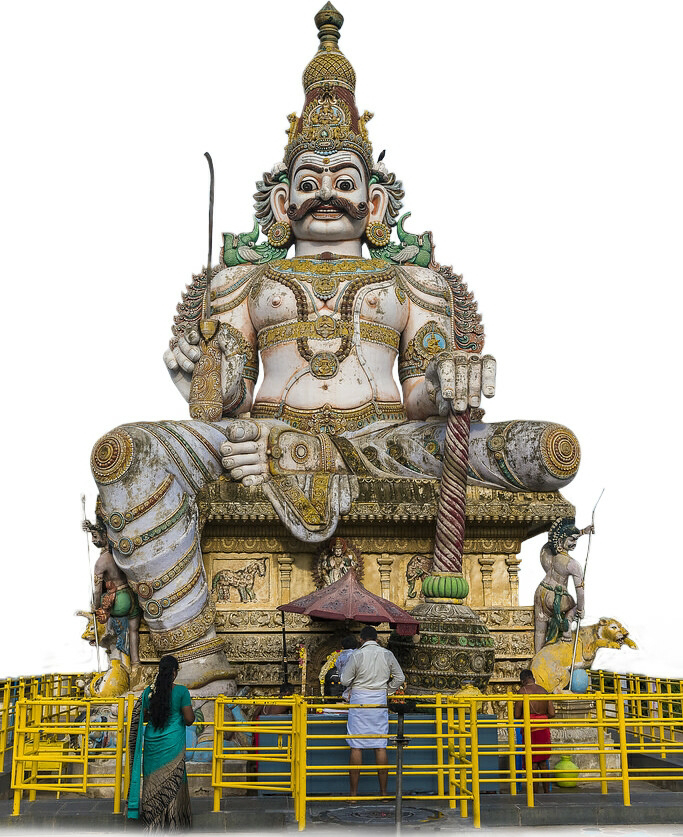
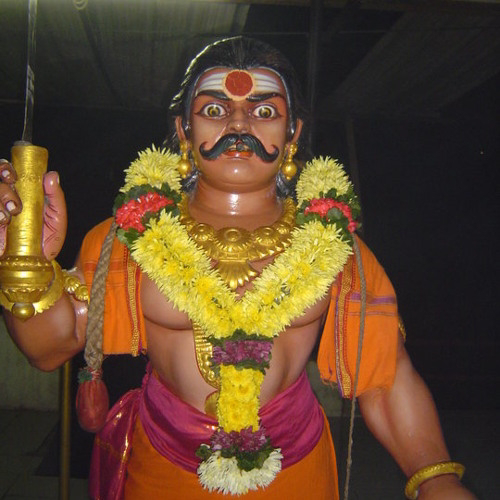
The relationship between Shiva and Munishwaran is especially important within South Indian folk devotional traditions. Munishwaran is widely worshipped as a guardian deity, particularly in village and local temple traditions.
Traditional accounts describe Munishwaran as being connected with Shiva and his protective aspect. The exact origin stories can differ between communities, temples and oral traditions.
You can learn more about this tradition in our detailed History of Munishwaran.
Saptha Muni Tradition
South Indian traditions also include the worship of different forms of Muni or Muniswarar. Our article on Saptha Muni explores this devotional tradition in greater detail.
Important Forms of Lord Shiva
Lord Shiva is worshipped through many forms, each highlighting a particular aspect of his traditional character.
Nataraja
Nataraja is the cosmic dancing form of Shiva. The famous image represents Shiva performing the Tandava and is traditionally associated with cosmic creation, preservation, transformation and rhythm.
Adiyogi
As Adiyogi, Shiva is regarded in yogic tradition as the primordial yogi. Meditation, inner discipline and spiritual knowledge are strongly associated with this form.
Mahakala
Mahakala represents Shiva as the great lord of time. This form emphasizes the temporary nature of worldly existence and the power of time and transformation.
Bhairava
Bhairava is a fierce form of Shiva associated with protection and guardianship. Bhairava worship has an important place in several temple and regional traditions.
Ardhanarishvara
Ardhanarishvara represents Shiva and Shakti in a single form. The image expresses the complementary nature of masculine and feminine divine principles in Hindu philosophy.
Store passwords, IDs, documents and private information securely on your phone. No cloud. No tracking.
Lord Shiva Family
Shiva is not represented only as a solitary yogi. Hindu stories also describe him as a husband and father, with Goddess Parvati, Lord Ganesha and Lord Kartikeya forming the central family associated with him.
Goddess Parvati
Goddess Parvati is traditionally described as the consort of Shiva and an expression of Shakti, the divine feminine power. Shiva and Parvati are often understood together as complementary principles of consciousness and energy.
Lord Ganesha
Lord Ganesha is traditionally described as the son of Shiva and Parvati. He is widely worshipped as the remover of obstacles and is one of the most popular deities in Hindu devotional practice.
Lord Murugan
Lord Murugan, also known as Kartikeya or Skanda, is traditionally described as the son of Shiva and Parvati. He has a particularly strong devotional presence in Tamil Nadu and South India.
Read our detailed Lord Murugan History for more information about Murugan and his traditions.
Lord Shiva Symbols and Their Meaning
Shiva's traditional appearance contains several important symbols. These symbols are frequently seen in Shiva temples, paintings, sculptures and devotional artwork.
Third Eye
The third eye is one of the best-known symbols of Shiva. It is traditionally associated with spiritual insight, awareness and the destruction of ignorance.
Crescent Moon
The crescent moon appears on Shiva's head and is associated with time, transformation and the cyclical nature of existence.
Ganga
The sacred river Ganga is traditionally depicted flowing from Shiva's matted hair. The story of Ganga's descent is an important part of Shiva mythology.
Snake
A snake around Shiva's neck is another distinctive symbol. In devotional interpretations, the snake is associated with power, fearlessness and mastery over worldly fear.
Tiger Skin
Shiva is often depicted seated or standing on a tiger skin. In traditional symbolism, it represents mastery over powerful instincts and desires.
Vibhuti
Vibhuti, or sacred ash, is closely associated with Shiva worship. It reminds devotees of the temporary nature of physical existence and the importance of spiritual awareness.
Shiva Lingam and Its Significance
The Shiva Lingam is one of the principal forms through which Shiva is worshipped in temples. The Sanskrit word "linga" can be understood as a sign or symbol.
The Lingam is traditionally associated with the infinite nature of Shiva. One well-known story describes Shiva as an infinite pillar of light without a beginning or end.
Shiva Lingams are commonly worshipped through offerings such as water, milk, bilva leaves and other traditional devotional offerings.
Lord Shiva Worship, Rituals and Mantras
Shiva worship is practiced in many different ways. Temple worship, meditation, prayer, abhishekam, mantra chanting and offerings are all part of different Shiva devotional traditions.
Abhishekam
Abhishekam is a traditional ritual in which offerings such as water or milk are poured over the Shiva Lingam. The practice is performed in Shiva temples and homes according to local traditions.
Bilva Leaves
Bilva leaves are traditionally offered to Shiva and have a special place in Shiva worship. The three-leaf structure is also connected with several symbolic interpretations.
Om Namah Shivaya
Om Namah Shivaya is one of the most widely known Shiva mantras. It is traditionally chanted by devotees as an expression of devotion and remembrance of Lord Shiva.
Mahamrityunjaya Mantra
The Mahamrityunjaya Mantra is another important mantra associated with Shiva. It is traditionally recited in devotional practices connected with protection, well-being and spiritual strength.
Munishwaran Mantra
For devotees interested in the Shiva-related guardian tradition, our 108 Munishwaran Mantras in Tamil provides a dedicated collection of Munishwaran devotional mantras.
Famous Lord Shiva Temples and Sacred Places
Shiva is worshipped in thousands of temples across India and in other parts of the world. Some temples have become major pilgrimage centres because of their history, traditions and association with important Shiva forms.
12 Jyotirlingas
The twelve Jyotirlingas are important Shiva pilgrimage sites traditionally associated with Shiva appearing as a pillar of divine light. Devotees travel to these temples as part of Shiva pilgrimage traditions.
Mount Kailash
Mount Kailash holds a special place in Hindu tradition as the sacred abode of Lord Shiva. It is regarded as one of the most important spiritual locations associated with Shiva.
Chidambaram
Chidambaram is particularly associated with Nataraja, the dancing form of Shiva. The temple and its traditions are important to Tamil Shaivite worship.
Other Shiva Temples
From ancient Jyotirlinga temples to local village Shiva shrines, Shiva worship takes many forms. Temple traditions often reflect the history and devotional customs of the region where they are located.
Major Festivals Dedicated to Lord Shiva
Maha Shivaratri
Maha Shivaratri is one of the most important festivals dedicated to Lord Shiva. Devotees traditionally observe fasting, prayer, meditation, temple visits and night-long worship.
Shravan and Monday Worship
The month of Shravan is especially important for many Shiva devotees. Mondays are also traditionally associated with Shiva worship, and devotees may observe fasting or visit Shiva temples according to their family and regional customs.
Lord Shiva in Tamil Devotional Tradition
Lord Shiva has a deep connection with Tamil devotional culture. Tamil Shaivite literature, temples, devotional hymns and folk traditions have preserved many forms of Shiva worship over centuries.
The relationship between classical Shaivite worship and village guardian traditions is particularly interesting. Deities such as Munishwaran and different Muni traditions are worshipped locally while being connected through devotional narratives with Shiva.
This diversity allows Shiva worship to appear in many settings, from major temples and pilgrimage centres to small village shrines.
Why Lord Shiva Remains Important Today
Shiva continues to have an important place in modern devotional life. Many people connect with his image as a meditating yogi, while others are drawn to his role as Mahadeva, Nataraja, family man or protector.
For devotees, Shiva worship can be part of daily prayer, meditation, temple visits, festival celebrations and mantra chanting.
The many forms of Shiva also make his traditions relevant to different communities and devotional practices across India.
Store passwords, IDs, documents and private information securely on your phone. No cloud. No tracking.
Related Shiva & Munishwaran Content
Explore our related devotional posts for more about Shiva, Munishwaran and other Tamil devotional traditions.
Frequently Asked Questions About Lord Shiva
Who is Lord Shiva?
Lord Shiva is one of the principal deities of Hinduism and is worshipped as Mahadeva, the great god. He is associated with transformation, meditation, dissolution and spiritual awareness.
What are the main forms of Lord Shiva?
Important forms associated with Shiva include Nataraja, Adiyogi, Mahakala, Bhairava and Ardhanarishvara. Different regional traditions also worship Shiva through many other forms.
Who are Lord Shiva's family members?
In Hindu tradition, Goddess Parvati is Shiva's consort, while Lord Ganesha and Lord Murugan are traditionally described as his sons.
What is the most famous Shiva mantra?
Om Namah Shivaya is one of the most widely known and widely chanted Shiva mantras.
Why is the Shiva Lingam worshipped?
The Shiva Lingam is a principal symbolic form used for Shiva worship. It is traditionally associated with Shiva's infinite and formless nature.
What is Maha Shivaratri?
Maha Shivaratri is a major Hindu festival dedicated to Lord Shiva. Devotees traditionally observe prayer, fasting, meditation and night-long worship.
Conclusion
Lord Shiva represents one of the deepest and most diverse traditions in Hindu devotional culture. He is worshipped as Mahadeva, Adiyogi, Nataraja, Mahakala and through many other forms and regional traditions.
His stories, family, sacred symbols, Shiva Lingam, temples, mantras and festivals have shaped devotional traditions across generations. In South India, the connection between Shiva and guardian traditions such as Munishwaran also adds another important dimension to the way devotees understand and worship the divine.
Whether through meditation, temple worship, mantra chanting or simple prayer, Lord Shiva continues to hold a central place in the spiritual life of millions of devotees.




Comments
Post a Comment