Posts

Showing posts with the label Muneeswaran

History of Siva Muni – Supreme Ascetic of the Saptha Munis

Image
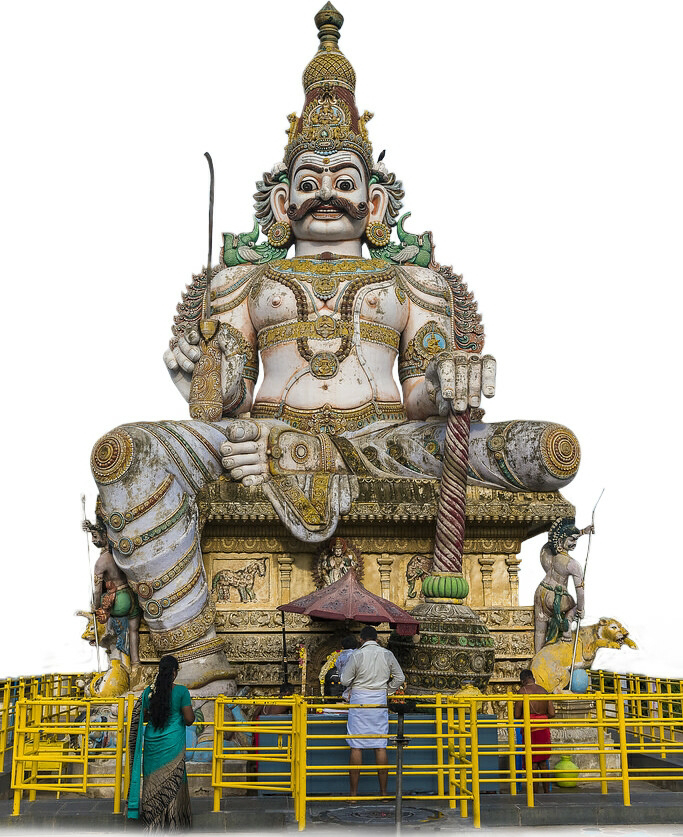
Siva Muni is revered as the foremost among the Saptha Munis , the seven ascetic figures worshipped in folk Shaiva traditions rooted in Tamil culture.  These Munis are closely associated with Munishwaran , a powerful guardian deity worshipped globally , with major centers of devotion in Tamil Nadu, Sri Lanka, Malaysia, and Singapore , and among Tamil communities worldwide. Meaning of the Name Siva Muni The name Siva Muni carries deep philosophical meaning within Shaiva thought. Siva signifies auspiciousness, consciousness, and inner stillness. Muni refers to an ascetic who attains wisdom through silence, meditation, and self-restraint. Together, Siva Muni symbolizes pure ascetic consciousness , where spiritual authority arises from discipline rather than ritual complexity or external display. The Concept of Muni in Shaiva Philosophy In Shaiva philosophy, a Muni is not defined by lineage or scholarship, but by practice and realization . Classical explanations of Shaivi...

சிவாயம் என்று சிந்தித்திருப்போருக்கு அபாயம் ஒருபோதும் இல்லை. ஜடாமுனி என்று சிந்தித்திருப்போர்க்கு எதிரிகள் தொல்லை ஒருபோதும் இல்லை.

Image
முனீஸ்வரன் என்பவர் இந்து சமய சிறு தெய்வங்களில் ஒருவராவார். இவர் சைவ கடவுளான சிவபெருமானின் வடிவமாக கருதப்படுகிறார். முனீசுவரன் வீரமும், ஆவேசமும் நிறைந்த ஆண் தெய்வமாகும். முனீஸ்வரன் எனும் பெயர் முனிவர்களுக்கெல்லாம் ஈசுவரனாக இருந்து ஞானத்தை வழங்கியவன் எனக் குறிப்பிடும். கிராம மக்கள் முனி, முனியாண்டி, முனியன், முனியப்பர் என பல பெயர்களாலும் அழைத்து வழிபடுவர். முனி என்ற சொல் ரிக் வேதத்தில் 'தெய்வ ஆவேசம் படைத்தவர்' என்றும், பயமற்றவர் என்றும் பொருள் கொள்ளப் படுகின்றது. உபநிடதம், பகவத்கீதை என்பவற்றில் உலக வாழ்க்கையை வெறுத்து ஞான வரம்பாகிய மௌனத்தைக் கடைப்பிடித்து பரமதியானத்தில் ஆழ்ந்து தட்பவெப்ப, சுகதுக்கம் தாக்கப்படாமல் விருப்பு - வெறுப்பு, கோபதாபம் முதலியவை அறவே நீக்கியவர்கள் என்றும் கூறப்படுகின்றது. கிராம மக்கள் மத்தியில் தவறு செய்தால் தலையில் அடிப்பவர், நம்மோடு ஒரு மனிதராகவே வருவார், வானுக்கும் பூமிக்குமாக ஒளிப்பிழம்பாகக் காட்சி தருபவர் என்று பலவாறு நம்பிக்கைகள் காணப்படுகின்றன. தமிழகம், இலங்கை, மலேசியா, சிங்கப்பூர் முதலான நாடுகளில் முனீசுவரர் வழிபாடு சிறப்படைந்து காணப்...

Muniyandi (முனியாண்டி)

Image
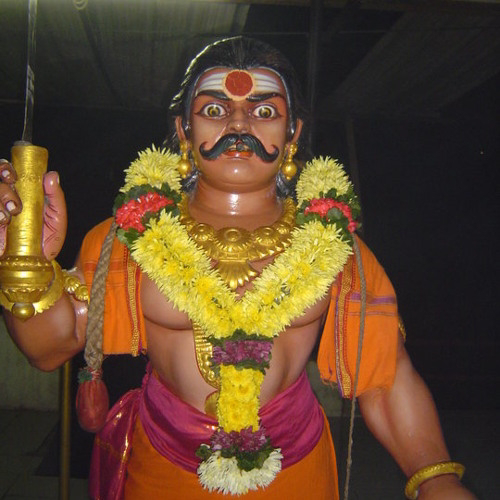
Muniyandi (முனியாண்டி) is a regional Tamil guardian deity. The deity Muniyandi refers to the Munis worshiped by the Tamil people. Munis are a class of guardian deities which are classified as Siva Gana. They are servants of the Supreme God Siva and his female half Sakthi. The Munis could be former warriors, kings, sorcerers or sages who achieved the status of a Muni after their human death. Some of the Munis worshiped were created as Munis and did not go through the human life cycle. The Munis are worshiped as Guardian Deity (Kaaval Deivam), Favorite Deity (Ishta Deivam) and Clan/Family Deity (Kula Deivam). Muniyandi is also known as Muniyappan, Aandiyappan, Munisamy and Munishwaran. Origin of Muniyandi: There are many theories on the origins of these Munis. There are also mythological stories passed down orally for generations. According to one of the oral tradition, the Saptha Muni (7 Munis) were created to protect Goddess Sakthi in the form of Goddess P...

Lord Muniyandi

Image
Lord Muniandi is a regional Tamil guardian deity. The deity Muniandi refers to the Munis worshipped by the Tamil people. Muni refers to a class of guardian deities which are classified as Shiva Gana. They are servants of the Supreme God Shiva and his female half Shakthi. The Munis could refer to former warriors, kings or sages who achieved the status of a Muni after their human death. Some of the Munis worshipped were merely created as Munis and did not go through the human life cycle. The Munis are worshipped as guardian deity, favourite deity and family deity. Muniandi is also known as Lord Muniappan, Lord Aandiappan and Lord Munisamy. Forms of Worship Tree Worship – The trees as such as Banyan, Sacred Fig and Palmyra are believed to be the gateways used by the Munis to travel between different dimensions. The Munis are also believed to reside in such trees. Tree worship is the oldest form of Muni worship. Stone Worship – In the Muni worship, it can be divided ...

History of Munishwaran

Image
Munishwaran is a Hindu God who is very powerful and has interesting origin. Muni represents ‘ saint ’ or ’ Muni ’ and ‘ iswara ’ means ‘ Shiva ’.  He is well thought out as a form of Shiva. He is worshiped as a family deity in most Shaivite families. According to Hindu mythology, God Munishwaran is considered as a form of Lord Shiva. The cult of Munishwaran is very popular in various regions of India, Malaysia as well as Singapore. The main weapon of God Munishwaran is trident and so temples usually contain a trident placed on the ground and limes are also placed on the prongs of trident. Statues of God Munishwaran are painted and are dressed in dhoti. Lord Munishwaran is considered both as fierce God as well as peaceful God. The story behind King Daksha and his daughter Sati is quite familiar to all of us. King Daksha was also the father in law of lord Shiva. One day King Daksha decided to go do a special Puja called Ashvamedha Yagam.   In that Puja, Lord Shiva was not...